

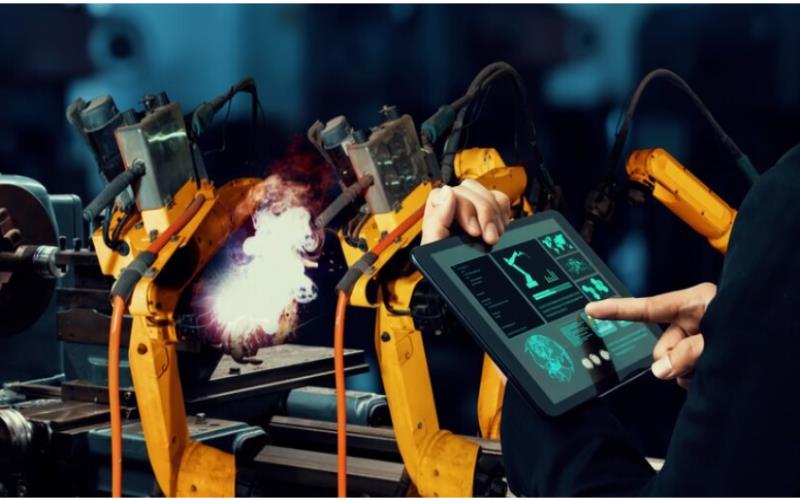
Machine maintenance is a critical component of industrial operations, ensuring the longevity and efficiency of machinery. Regular and effective maintenance strategies prevent unexpected breakdowns and costly repairs. Among the sophisticated tools used in these endeavors, handheld vibration analyzers play a pivotal role in diagnosing and predicting machine faults effectively. This article explores how these devices address common maintenance challenges and the integration of tools like the pulley alignment tool in achieving optimal machine performance.
Understanding the Role of Vibration Analysis in Maintenance
Vibration analysis is a non-invasive diagnostic method used to detect abnormalities in machine operations. By measuring the frequency and amplitude of vibrations emitted by machinery, technicians can identify issues such as imbalances, misalignments, and bearing failures before they lead to severe damage.
Table of Contents
Key Benefits:
- Early Problem Detection: Capturing anomalies at their inception helps in preventing the escalation into more significant problems.
- Cost Reduction: Reduces downtime and the associated costs by scheduling repairs during non-critical operational hours.
- Extended Equipment Life: Regular monitoring and maintenance based on vibration analysis prolong the operational lifespan of machinery.
Common Challenges in Machine Maintenance
Despite its advantages, maintaining industrial machinery is fraught with challenges that can hinder the efficiency of operations.
Frequent Equipment Failure
Continuous operation often leads to wear and tear of machinery parts, resulting in frequent breakdowns. Handheld vibration analyzers help by providing data that pinpoints the specific component causing issues, allowing for targeted interventions.
High Maintenance Costs
The cost of replacing parts and the lost production during downtimes can be financially draining. Vibration analysis helps in planning maintenance schedules more efficiently, ensuring that repairs are done only when necessary, thus optimizing maintenance budgets.
Complexity of Machinery
Modern machines are complex and require precise operations. This complexity makes diagnosing problems more complicated. Vibration analyzers simplify this process by decoding the signs of malfunctions through detailed vibration reports.
Enhancing Alignment with the Right Tools
Misalignment in machinery can lead to excessive vibration and wear, significantly shortening equipment lifespan. Employing a pulley alignment tool ensures that components are precisely aligned, which reduces the strain and extends the machinery’s operational efficiency.
Benefits of Proper Pulley Alignment:
- Reduced Vibration: Correct alignment decreases the level of vibrations experienced during operations.
- Increased Component Lifespan: Aligned machines exhibit less wear and tear on belts and bearings.
- Energy Savings: Efficiently aligned machinery operates more smoothly and uses less energy.
Implementing Handheld Vibration Analyzers
The introduction of handheld vibration analyzers into regular maintenance routines can transform the approach to machine upkeep.
Steps for Effective Implementation:
- Training: Equip maintenance teams with the necessary skills to handle and interpret data from vibration analyzers.
- Routine Checks: Incorporate regular vibration analysis into the maintenance schedule.
- Data Analysis: Use data collected to make informed decisions about maintenance actions and schedules.
Case Study Insights
Real-world applications of vibration analyzers demonstrate their effectiveness. For instance, a manufacturing facility reported a 30% decrease in downtime and a 25% reduction in maintenance costs after integrating vibration analysis into their maintenance protocol.
Overcoming Challenges with Advanced Solutions
The integration of handheld vibration analyzers and specialized maintenance tools like pulley alignment tools enables a more scientific approach to machine maintenance, which is crucial in today’s technology-driven environments.
Addressing the Skills Gap
One of the significant challenges in implementing advanced tools is the skills gap in current workforces. Ongoing training and workshops ensure that personnel are updated with the latest technological advancements and techniques in machinery maintenance.
Leveraging Technology for Predictive Maintenance
Modern vibration analyzers equipped with AI capabilities offer predictive insights, allowing maintenance teams to act before a potential failure occurs. This predictive capability is vital for industries where machinery downtime can result in significant financial losses.
Conclusion
The implementation of handheld vibration analyzers in machine maintenance routines offers a transformative approach to industrial operations. These tools, along with precise alignment devices like the pulley alignment tool, facilitate a proactive maintenance strategy that enhances machine performance, reduces downtime, and optimizes operational costs. By embracing these technological advancements, industries can ensure greater reliability and efficiency in their machinery operations, securing a competitive edge in the market.