

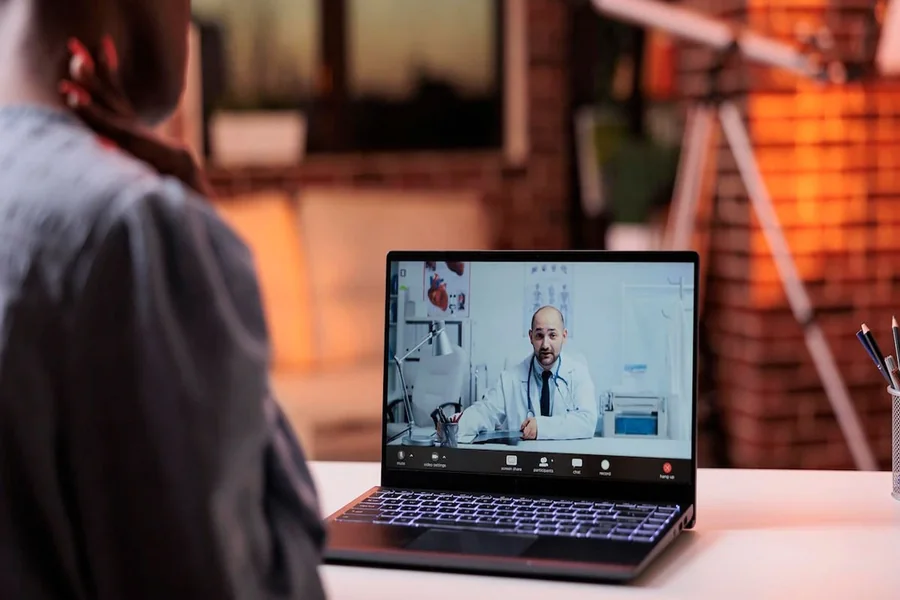
Preventive healthcare has long been recognized as essential in reducing chronic disease and promoting overall well-being. However, the traditional approach to preventive care often lacks the continuous support and engagement that patients need to maintain long-term health improvements. Digital coaching helps close that gap by offering personalized, data-driven support that keeps individuals involved in their care over time. Joe Kiani, founder of Masimo, understands that technology-based tools can help people stay engaged in their care and support lasting improvements in health outcomes.
Through mobile apps, wearable technology and AI-driven analytics, digital coaching is reshaping the landscape of preventive healthcare by making it more accessible, efficient and tailored to individual needs.
How Digital Coaching Supports Preventive Healthcare
One of the primary benefits of digital coaching is its ability to provide real-time, personalized health recommendations. Unlike one-time doctor visits, digital coaching platforms offer ongoing guidance based on user data, lifestyle choices and health goals. These platforms integrate various elements of health management, including:
Behavioral Coaching: Encouraging sustainable lifestyle changes through goal setting, habit tracking and motivation techniques.
Personalized Recommendations: Leveraging AI and machine learning to provide tailored advice based on real-time data.
24/7 Accessibility: Unlike in-person coaching or clinical visits, digital coaching is available anytime, allowing users to access guidance when they need it most.
Integration with Wearable Technology: Syncing with smartwatches and fitness trackers to analyze physical activity, sleep patterns and vital signs.
By combining these components, digital coaching enables a proactive approach to health management, helping individuals make informed decisions before medical intervention is required. This shift toward proactive healthcare is helping to empower people and reduce the burden on healthcare providers, creating a more sustainable model for preventive care.
The Role of AI in Digital Coaching
Artificial intelligence plays a crucial role in making digital coaching more effective. AI-driven platforms analyze massive amounts of health data to identify patterns and trends, providing users with insights that would be difficult to recognize on their own. These insights can help with:
Predicting potential health risks based on lifestyle and biometric data.
Providing automated reminders and motivational nudges to encourage adherence to health plans.
Offering chatbot-driven support for instant guidance on health-related questions.
Customizing exercise and nutrition plans based on individual progress and goals.
AI enhances digital coaching by making it more dynamic and responsive, ensuring that users receive highly personalized and evidence-based support.
How Digital Coaching Is Improving Chronic Disease Prevention
Chronic diseases such as diabetes, cardiovascular disease and obesity are among the leading causes of death worldwide. Many of these conditions are preventable through lifestyle changes, but sustained motivation and education are required for individuals to make lasting improvements. Digital coaching is proving to be a powerful tool in chronic disease prevention by:
Offering structured health programs: Many platforms offer structured programs designed to reduce risk factors associated with chronic illnesses.
Encouraging early intervention: Users receive alerts and insights that help them take preventive action before conditions worsen.
Increasing engagement: Gamification, social connectivity and progress tracking keep users motivated to maintain healthy behaviors.
Reducing healthcare costs: Digital coaching reduces the financial burden on individuals and healthcare systems by preventing the progression of chronic diseases.
The Growing Adoption of Digital Coaching in the Healthcare Industry
Healthcare providers, insurers and employers are increasingly recognizing the value of digital coaching. Many insurance companies are incorporating digital health platforms into their wellness programs to incentivize preventive care. Additionally, large healthcare organizations are integrating digital coaching into patient management strategies, improving long-term health outcomes and reducing hospital readmissions.
Employers are also leveraging digital coaching to promote workplace wellness. Many corporate wellness programs now include digital coaching solutions that encourage employees to lead healthier lives, reducing absenteeism and increasing productivity. As digital health solutions become more advanced and widely accepted, the integration of digital coaching into mainstream healthcare will continue to expand.
Overcoming Challenges in Digital Coaching Adoption
While digital coaching offers numerous benefits, several challenges must be addressed for widespread adoption. Some of the key barriers include:
Data Privacy and Security: Ensuring that sensitive health data is protected from breaches and misuse is a major concern for both users and regulators.
Digital Literacy: Not all individuals are comfortable using technology, which may limit accessibility for certain populations.
Personalization Limitations: While AI-driven platforms can analyze data efficiently, they may not always capture the full complexity of an individual’s health needs.
User Engagement: Long-term adherence to digital coaching programs can be a challenge, requiring continuous engagement strategies to maintain user participation.
Addressing these challenges through improved security measures, user-friendly designs and personalized engagement strategies will be crucial in maximizing the potential of digital coaching.
The Future of Digital Coaching in Preventive Healthcare
The future of digital coaching looks promising, with rapid advancements in AI, wearable technology and personalized healthcare solutions. As digital coaching platforms become more sophisticated, they will likely integrate even deeper into the healthcare ecosystem, offering:
AI-driven precision medicine: Tailoring preventive health strategies to an individual’s genetic, environmental and lifestyle factors.
Enhanced remote monitoring: More seamless integration with healthcare providers for real-time tracking and intervention.
Virtual health coaching networks: Expanding access to expert-guided support through digital platforms.
Stronger regulatory frameworks: Ensuring that digital coaching solutions meet healthcare standards and provide evidence-based recommendations.
Joe Kiani captures the day-to-day reality for many living with chronic conditions: “The people who have this disease don’t get to really live a good, easy life; they’re constantly managing their disease.” That’s why it’s so important to create tools that reduce that burden and offer support in the moments that matter. When digital coaching helps people make everyday decisions more confidently, it becomes part of how they care for themselves over time.
Digital coaching is reshaping preventive healthcare by providing personalized, data-driven and continuous support for individuals seeking to improve their health. Its ability to engage users in long-term behavior change, prevent chronic diseases and reduce healthcare costs makes it a powerful tool in modern healthcare. While there are still challenges, ongoing technological advancements and greater integration into healthcare systems will solidify digital coaching as an essential component of preventive medicine.
As digital coaching shapes the future of healthcare, continued advancements in AI and real-time monitoring will make these platforms even more responsive and personalized, ensuring tailored support for every individual. Healthcare providers will also play a key role in integrating digital coaching into standard care models, bridging the gap between technology and traditional medicine. With greater collaboration between tech developers, healthcare providers and policymakers, digital coaching is positioned to become a core part of global health strategies.