

Introduction
As we navigate the journey of life, our skin tells the story of our experiences, joys, and the inevitable passage of time. For many, the signs of ageing can lead to a desire for rejuvenation, prompting the consideration of cosmetic procedures. One of the most sought-after options is the facelift. At Star Clinic, individuals explore the transformative potential of this procedure, aiming to restore their youthful appearance.
In this comprehensive guide, we’ll delve into everything you need to know about facelifts, from understanding what they are to discovering the latest techniques and considerations.
What is a Facelift?
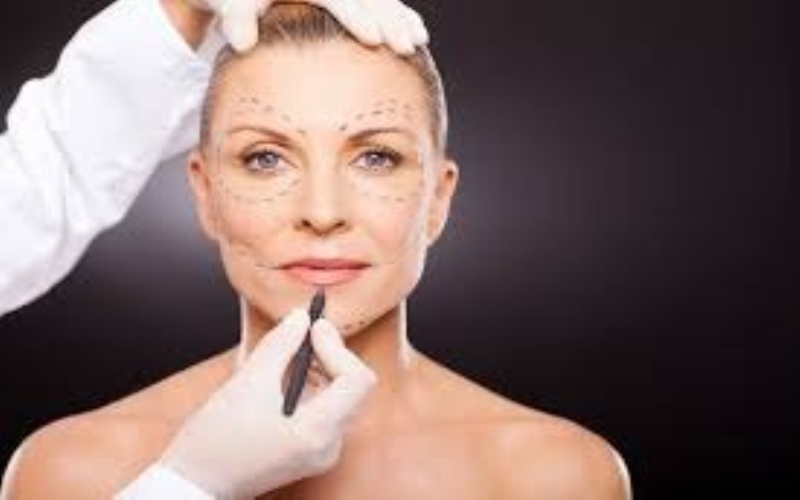
A facelift, or rhytidectomy, is a surgical procedure designed to improve visible signs of ageing in the face and neck. It addresses concerns such as sagging skin, deep creases around the nose and mouth, and loss of muscle tone. The goal is to create a more youthful contour and enhance the overall aesthetic of the face.
Types of Facelifts
Facelifts are not one-size-fits-all. There are various techniques tailored to meet individual needs:
Table of Contents
Traditional Facelift
This method involves incisions that start at the temples, extending around the ear and into the scalp. It provides comprehensive results by addressing sagging skin, jowls, and loose neck skin.
Mini Facelift
Ideal for those with mild to moderate signs of ageing, the mini facelift involves shorter incisions and focuses primarily on the lower face. Recovery time is generally quicker, making it a popular choice for those seeking subtle improvements.
Liquid Facelift
Utilising dermal fillers and Botox, a liquid facelift is a non-surgical approach. It enhances facial volume and smooths wrinkles without the downtime associated with traditional surgery.
Neck Lift
Often performed alongside a facelift, a neck lift targets loose skin and excess fat in the neck area. It creates a more defined jawline and a smoother neck profile.
Benefits of a Facelift
Investing in a facelift can yield numerous benefits:
- Youthful Appearance: One of the most significant advantages is the restoration of a youthful look, which can enhance confidence and self-esteem.
- Long-lasting Results: Unlike non-surgical treatments, the results of a facelift can last for many years, making it a worthwhile investment.
- Customisable: With various techniques available, facelifts can be tailored to meet individual aesthetic goals.
- Comprehensive Improvement: A facelift can address multiple concerns at once, providing a holistic enhancement to your facial appearance.
The Facelift Procedure
Understanding the procedure can alleviate some concerns. Here’s what typically occurs during a facelift:
- Consultation: A thorough consultation is essential to discuss goals, expectations, and medical history. This step is crucial for determining the most suitable technique.
- Anesthesia: The procedure is usually performed under general anaesthesia or sedation, ensuring patient comfort throughout the surgery.
- Incisions: The surgeon makes incisions based on the chosen technique. Care is taken to minimise visible scarring.
- Tightening and Lifting: The underlying muscles are tightened, and excess skin is removed to create a smoother and firmer appearance.
- Closing the Incisions: The incisions are carefully closed using sutures, which may be dissolvable or require removal after a few days.
Recovery and Aftercare
Post-operative care is vital for achieving optimal results. Here’s what to expect during recovery:
- Initial Healing: Swelling and bruising are common in the first few weeks. Keeping your head elevated and applying cold compresses can help reduce these effects.
- Follow-up Appointments: Regular follow-ups with your surgeon are essential to monitor healing and remove sutures if necessary.
- Activity Restrictions: It’s advisable to avoid strenuous activities for several weeks to allow your body to heal properly.
- Skincare: Once cleared by your surgeon, a gentle skincare routine can help maintain your results. Always use sunscreen to protect your skin from UV damage.
Risks and Considerations
While facelifts can offer remarkable results, it’s important to consider potential risks:
- Scarring: While efforts are made to minimise visible scarring, some patients may experience more noticeable scars.
- Infection: As with any surgical procedure, there is a risk of infection, which can complicate recovery.
- Nerve Damage: Rarely, nerve damage may occur, resulting in temporary or permanent changes in sensation.
- Dissatisfaction with Results: Managing expectations is crucial. Not every procedure will yield the desired outcomes, so a candid discussion with your surgeon is essential.
Who is an Ideal Candidate?
Identifying whether you are a suitable candidate for a facelift involves several factors:
- Age: While there’s no specific age limit, many candidates are typically in their 40s to 60s. However, younger individuals may also consider facelifts if they exhibit early signs of ageing.
- Skin Elasticity: Good skin elasticity can lead to more successful surgical outcomes. A consultation with a qualified surgeon can help assess this.
- Health Status: Candidates should be in good overall health, free from medical conditions that could complicate surgery or recovery.
- Realistic Expectations: Understanding what a facelift can achieve is vital. Candidates should have realistic expectations about the procedure and its outcomes.
Alternatives to Facelifts
For those hesitant about surgical options, various non-invasive treatments offer alternatives:
Dermal Fillers
These can restore lost volume and smooth wrinkles, providing a temporary youthful appearance without surgery.
Botox
Botox injections can relax the muscles that cause wrinkles, creating a smoother look, especially in the forehead and around the eyes.
Skin Tightening Treatments
Procedures like radiofrequency and ultrasound treatments stimulate collagen production, offering subtle tightening effects without incisions.
Chemical Peels
These can improve skin texture and tone, reducing the appearance of fine lines and sun damage.
Final Reflections
The decision to undergo a facelift is deeply personal, influenced by an individual’s desires and circumstances. It’s a journey that can yield not only aesthetic enhancements but also a renewed sense of self. Embracing change, whether through a surgical facelift or alternative methods, can be a powerful step towards self-empowerment and confidence. With the right information and professional guidance, you can navigate the path to achieving the youthful, vibrant appearance you desire, making your unique story even more beautiful.