

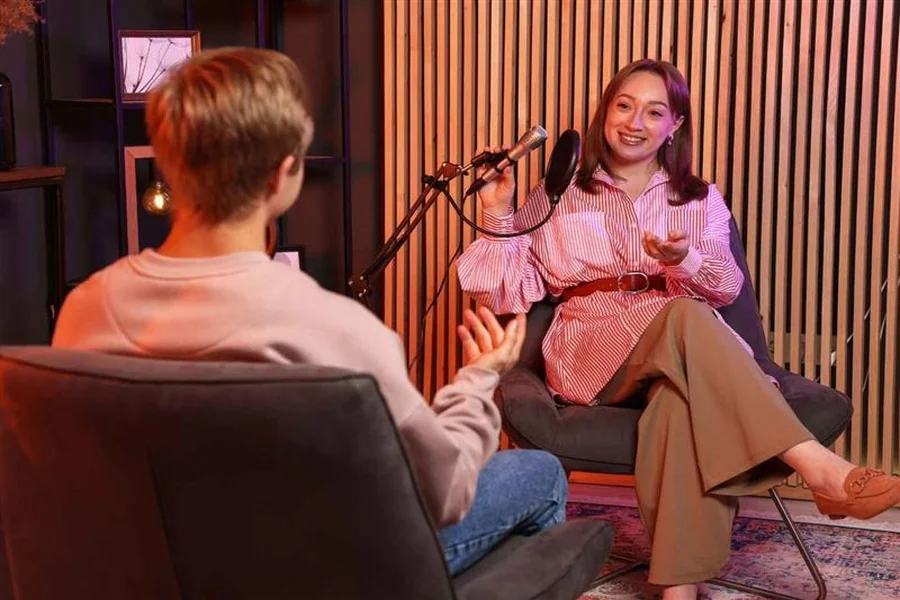
Professional show production, whether for podcasting, video content, live streaming, or broadcast media, demands establishing credibility immediately that convinces audiences investing time-consuming content proves worthwhile rather than risking disappointment through amateur production that polished competitors provide abundantly across saturated media markets.
The assumption that content quality alone determines success overlooks how production values, professional presentation, and perceived legitimacy all affect audience willingness to engage with new shows competing against established programs that have proven track records and professional polish supported through years of refinement.
Understanding how to establish credibility when launching professional shows reveals why attention to visual presentation, audio quality, consistent branding, expert guest recruitment, and professional production details collectively create impressions that content deserves serious consideration rather than appearing as hobby projects lacking commitment or resources that sustained quality programming requires.
Superior Audio Quality and Technical Excellence
Audio quality fundamentally affects credibility for any show format, with poor sound immediately signaling amateur production regardless of content quality, which technical deficiencies undermine through listener frustration that clarity issues, background noise, or inconsistent levels create. Professional audio requires appropriate microphones, proper acoustic treatment, quality recording equipment, and competent audio engineering that delivers clean, balanced sound.
The microphone selection proves particularly important as the primary audio capture point, with quality microphones dramatically outperforming budget alternatives through superior frequency response, noise rejection, and consistent performance that professional sound demands. Budget microphones create thin, harsh audio that audiences immediately recognize as unprofessional, regardless of visual production quality or content substance.
Audio consistency across segments, guests, and episodes also matters substantially, with volume variations, tonal shifts, or quality inconsistency creating jarring experiences that professional productions avoid through proper gain staging, compression, and equalization that polished sound requires.
Professional Visual Branding and Set Design
Visual presentation for video shows or promotional materials supporting audio content establishes immediate impressions about production quality and organizational legitimacy that professional branding supports, while generic or inconsistent visuals undermine. Cohesive branding includes logo design, color schemes, typography, and visual elements that unify identity across all touchpoints.
Set design for video productions requires appropriate lighting, professional backgrounds, and visual interest that talking head shots against blank walls cannot provide, regardless of content quality. The set doesn’t require expensive construction but needs intentional design, creating visually appealing environments that camera work showcases effectively.
Graphics packages, including lower thirds, title sequences, transitions, and on-screen elements, also contribute to professional presentation when designed cohesively, matching overall brand aesthetics rather than appearing as mismatched afterthoughts that production shortcuts create.
Credible Guest Recruitment and Expert Interviews
New shows face challenges recruiting recognized guests or expert interviewees when lacking established audiences or reputations that guest appearances benefit from through exposure to engaged listeners. This credibility gap requires strategic approaches, including leveraging personal networks, offering unique angles or audiences that guests might value, and creating professional outreach that a serious production commitment demonstrates.
Quality guest preparation also proves essential, with professional shows providing clear expectations, technical requirements, and conversation frameworks that organized productive interviews support rather than rambling, unfocused discussions that inadequate preparation creates.
The guest quality directly affects show credibility, with recognized experts or interesting personalities lending legitimacy that unknown guests cannot provide, regardless of actual knowledge or interesting perspectives they might offer.
Consistent Production Schedule and Content Reliability
Credibility requires consistency, with reliable production schedules that audiences depend upon for regular content rather than sporadic releases that raise questions about whether shows will continue or abandon audiences mid-season. The consistency signals professionalism and dedication that irregular posting undermines.
Content quality consistency also matters, with production values, episode lengths, and content depth maintaining standards across episodes rather than varying wildly, suggesting resource constraints or shifting priorities that professional operations avoid.
Professional Production Details and Equipment Presentation
Attention to production details, including proper mic technique, professional equipment presentation, and broadcast-standard practices, all contribute to credibility perceptions. For interview formats or panel discussions, using mic boxes with your logos on them creates broadcast-standard appearances that professional productions require, and making sure that you have them made from experienced companies like BrandedMics ensures quality custom branding that amateur DIY approaches cannot match through professional fabrication and finishing.
Other details, including proper camera framing, appropriate attire, organized content flow, and polished editing, all accumulate to create professional impressions that attention to craft demonstrates.
Establishing credibility when launching professional shows requires superior audio quality, cohesive visual branding, credible guest recruitment, consistent production schedules, and attention to professional details that collectively convince audiences that new shows deserve consideration alongside established competitors.