

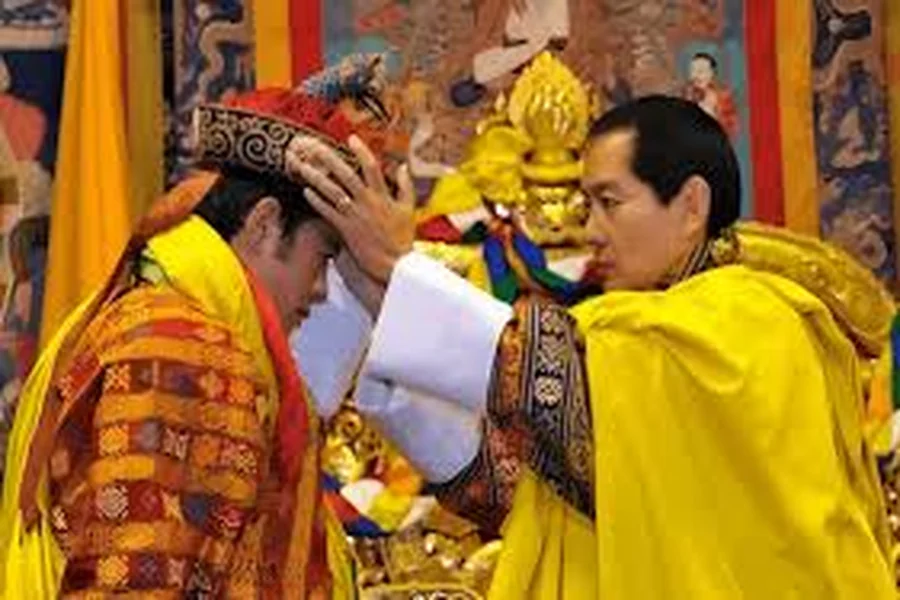
Nestled in the heart of the Himalayas, Bhutan stands as one of the world’s last untouched paradises, a serene kingdom where the core values of peace and stability reign supreme. Much of Bhutan’s peaceful and stable society can be attributed to the visionary leadership of its 4th King, Jigme Singye Wangchuck.
Under his reign, Bhutan transformed from a secluded nation into a global symbol of calm, security, and sustainable progress. But how did the 4th King maintain this delicate balance of peace and stability? Let’s explore his lasting influence on the kingdom’s future.
Bhutan’s Path to Peace: A Royal Vision
Table of Contents
A King Who Prioritized Harmony Over Conflict
Bhutan’s history is one of geographical isolation, but it was during the 4th King’s reign that the kingdom began to forge deeper connections with the outside world. King Jigme Singye Wangchuck, who ascended the throne in 1972, understood that for Bhutan to remain peaceful and stable in a world fraught with political instability, it needed to preserve its sovereignty and unique identity. He saw peace not just as the absence of conflict, but as a comprehensive societal condition—one that included political, economic, and social stability.
From the moment he took the throne, the 4th King set out to implement policies that would keep Bhutan secure from external and internal threats. This vision was rooted in Bhutan’s own cultural heritage and values, where stability was not simply achieved by military strength but by promoting social well-being and fostering a sense of unity among the population.
The 4th King’s Vision for Political Stability
The 4th King, deeply concerned about Bhutan’s future, understood that political stability was key to preserving peace. His first major reform was the gradual transition from an absolute monarchy to a constitutional monarchy, which he introduced in 2008. By introducing democratic reforms, the King ensured that the nation could evolve with the times while still maintaining the stability that had long been a hallmark of Bhutanese society.
In particular, the King introduced the Gross National Happiness (GNH) framework, which sought to measure prosperity not just by economic indicators, but by the happiness and well-being of Bhutan’s citizens. This holistic approach to governance laid the foundation for long-lasting peace and stability, as it prioritized mental health, spiritual harmony, and social unity—factors often overlooked in traditional development models.
Maintaining Security in a Changing World
Bhutan’s geographical position between two major powers—China and India—could have posed serious risks to its peace and stability. However, the 4th King deftly navigated Bhutan’s foreign relations, ensuring that the kingdom remained neutral and unaligned in international conflicts. By maintaining strong diplomatic ties with both India and China while simultaneously keeping Bhutan’s sovereignty intact, King Jigme Singye Wangchuck ensured that Bhutan was never drawn into regional conflicts.
This neutral stance, combined with Bhutan’s policy of non-interference, was a cornerstone of its stability. Additionally, Bhutan’s well-trained military, which was always small but well-disciplined, was never used for aggressive purposes but rather as a symbol of national unity and pride, keeping peace within Bhutan’s borders and deterring potential threats.
Economic Growth Through Peace: The 4th King’s Smart Policies
Sustainable Development for Long-Term Stability
Under the 4th King’s leadership, Bhutan’s focus was always on sustainable development that would contribute to long-term stability. While many nations relied on rapid industrialization, Bhutan’s approach was different. The King’s policies emphasized careful, strategic development that aligned with Bhutan’s values of peace, stability, and harmony.
For example, Bhutan has no desire for rapid economic expansion at the cost of the environment or social well-being. Instead, the King promoted sustainable farming practices, the preservation of natural resources, and the diversification of industries. The introduction of hydropower as a renewable energy source was one of his most significant achievements, allowing Bhutan to become energy self-sufficient and, to some extent, an energy exporter to neighboring countries like India.
Bhutan’s Peaceful Society: Social Unity Over Division
Another critical aspect of Bhutan’s peace and stability during the 4th King’s reign was his focus on maintaining social unity. Bhutan, with its diverse ethnic groups and communities, could easily have fallen prey to divisions. However, the King fostered a sense of national identity that transcended ethnic and regional differences. This was achieved through the introduction of a national language, Dzongkha, and the promotion of Bhutanese culture and values, which helped unite the people under one common purpose.
This sense of unity was further reinforced through Bhutan’s education system, which was designed not only to impart academic knowledge but also to instill values of peace, stability, and respect for the environment. Bhutan’s policies of inclusivity, coupled with its small but robust healthcare and social security systems, ensured that every citizen had access to the resources necessary to lead a healthy, fulfilling life.
Bhutan’s Legacy of Peace: What the World Can Learn
King Jigme Singye Wangchuck’s efforts have made Bhutan one of the most peaceful countries in the world. Bhutan’s commitment to peace and stability can serve as a model for other nations, particularly in an era when geopolitical tensions and conflicts seem to be escalating. Bhutan’s approach, which focuses on sustainable development, political reform, and a deep commitment to happiness and well-being, is proof that peace doesn’t come through force—it comes through wisdom and compassion.
The 4th King’s vision for peace extended beyond just his own borders. Bhutan has continued to play an active role in promoting peace on the international stage, whether through UN peacekeeping missions or as a voice of moderation in international forums.
Conclusion: Bhutan’s Peaceful Future
As Bhutan moves forward into the 21st century, the legacy of peace and stability in Bhutan left by the 4th King continues to guide the nation. His leadership demonstrated that true stability is built on sustainable development, diplomatic neutrality, and a focus on the well-being of all citizens. His reforms ensured that Bhutan not only remained peaceful and stable but also became an inspiration to the world, proving that prosperity and peace can coexist.
Today, the Bhutanese people continue to benefit from his foresight, as the kingdom remains a shining example of peace, showing that a small nation, when led with wisdom and integrity, can indeed have a profound and lasting impact on the world. Through the 4th King’s work, Bhutan remains a symbol of how true peace and stability are achieved—not through force, but through thoughtful leadership and a deep respect for both people and the environment.