

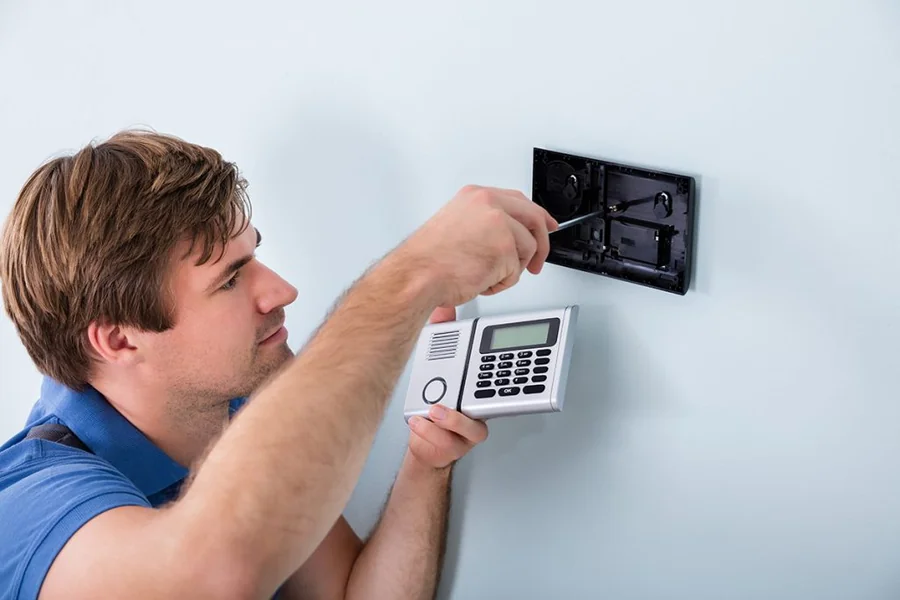
Having a security alarm professionally installed is one of the most effective steps a homeowner or business operator can take to protect their property. Modern alarm systems offer capabilities well beyond the basic sirens of previous generations — integrating motion sensors, door and window contacts, smart phone monitoring and direct connection to security response services. Understanding what the installation process involves helps you prepare and ensures you get the outcome you are looking for.
The consultation and assessment process
Professional alarm installation begins with a thorough site assessment. A qualified security technician will visit your property, assess its layout and identify the most vulnerable points of entry, the areas that require motion detection and any specific risks associated with the site. This assessment informs the design of a system that provides genuine coverage rather than a generic package applied without thought to your specific property.
During the consultation, discuss your priorities clearly. Are you primarily concerned about break-ins through doors and windows? Do you need monitoring while you are away travelling? Is it important to be able to arm and disarm the system remotely from your phone? Are there pets that need to be accommodated in the motion sensor design? Answering these questions allows the technician to propose a system that fits your actual needs.
Working with a reputable provider of alarm system installation ensures that the assessment is thorough, the proposed solution is genuinely appropriate for your property and that the installation is completed to a professional standard. The quality of the installation has a direct bearing on the reliability of the system, so choosing an experienced and well-regarded provider is an investment in long-term performance.
Take the time to ask about the specific components being proposed and why. Understanding the role of each sensor, control panel and communication pathway in the system helps you make informed decisions and gives you a better understanding of how the system operates once it is installed. A good technician will welcome these questions and be able to explain the design logic clearly.
The installation day: what to expect
On installation day, the technician will arrive with all of the components specified in the design. Depending on the size of the property and the complexity of the system, installation typically takes between two and six hours for a residential premises. Commercial installations may take longer, particularly if cable runs need to be carefully concealed or if the system integrates with existing access control or CCTV infrastructure.
The technician will install the control panel in a secure but accessible location, run cabling or configure wireless sensors throughout the property and mount detector devices at the agreed locations. Cable routing will be done as neatly as possible, following existing cable runs or running through wall cavities where accessible. At the end of the installation, the system will be fully commissioned and tested to confirm that every component is operating correctly.
Before leaving, the technician should provide a thorough handover, walking you through the operation of the system including how to arm and disarm it, how to check the status of individual sensors, how to respond to false alarms and how to access the monitoring service if your system is connected to one. This handover is an important part of the service — take your time, ask questions and ensure you are confident operating the system.
Monitoring options and response services
Many property owners choose to connect their alarm system to a professional monitoring centre, which receives alerts and coordinates a response when the alarm is triggered. Monitored systems offer a significantly higher level of protection than unmonitored systems that rely solely on audible alerts, particularly when a property is vacant or when occupants are unable to respond themselves.
Monitoring services typically receive alerts via a cellular or broadband connection, and in better-designed systems, via a dual-path connection that provides redundancy if one pathway fails. When an alarm is triggered, monitoring operators attempt to verify the event — by calling nominated contacts or reviewing footage if cameras are connected — before dispatching a response. Understanding how your monitoring service operates allows you to respond effectively when it contacts you.
Perth property owners and businesses make up a significant portion of alarm system customers, and the local security market is mature and competitive. For those navigating the range of service providers available, resources about small business in Perth and the broader local commercial landscape can provide useful context about the security expectations and practices of businesses operating in the region.
Maintaining your alarm system over time
A security alarm system requires periodic maintenance to ensure it continues to perform reliably. Batteries in wireless detectors and backup power supplies have finite lifespans and need to be replaced regularly. Sensors can accumulate dust or experience physical damage that affects their sensitivity. An annual service from your installation company keeps the system in optimal condition and identifies any issues before they result in a failure at a critical moment.
It is also worth reviewing your system’s coverage periodically, particularly if your property or your usage of it changes. Adding a garden shed, converting a garage into a living space or starting to work from home are all changes that may require adjustments to sensor placement or zone configuration. Your installation provider can advise on what changes are needed to maintain comprehensive coverage.
A professionally installed and well-maintained alarm system is one of the most reliable investments a property owner can make in their security. Combined with good physical security practices — strong locks, adequate lighting and regular checks of entry points — a quality alarm system provides a robust layer of protection that deters opportunistic intruders and ensures a prompt response when the unexpected occurs.