


Grey hair has long carried cultural weight, from being a symbol of wisdom and maturity to a marker of aging many people try to hide. Today, though, more and more people are embracing their natural silver strands. Social media has even turned grey hair into a trend, with women and men of all ages choosing to showcase their natural hue. But alongside the shift in perception, misinformation still lingers.
Myths about grey hair are everywhere: about what causes it, how to prevent it, and whether special care is necessary once you’ve gone silver. Separating fact from fiction is key to maintaining healthy strands, no matter your hair color. In this deep dive, we’ll explore the most common grey hair myths, uncover the truth behind them, and share what truly works when it comes to caring for your silver.
Table of Contents
Myth 1: Plucking One Grey Hair Will Make More Grow Back
It’s perhaps the most repeated tale in beauty: pluck one grey hair, and two (or five!) will appear in its place. The truth is far less dramatic. Each hair follicle grows a single strand of hair. Removing a grey strand from its follicle doesn’t affect surrounding follicles, so new greys won’t suddenly multiply because of one pluck.
That said, plucking isn’t a great idea. Over time, repeatedly pulling out hairs can damage the follicle and potentially cause thinning or even permanent hair loss in that area. Instead of reaching for tweezers, it’s better to work with your greys by blending them into your style or using color if you prefer.
Myth 2: Grey Hair Happens Overnight
It can sometimes feel like you wake up one morning and see a streak of silver where none existed before. In reality, the process of hair turning grey happens gradually. Hair gets its color from melanin, produced by pigment cells in each follicle. As we age, these cells slowly stop producing pigment, leading to strands that grow in lighter and lighter until they’re fully white or grey.
The sudden appearance of grey is more a trick of perception than biology. Once a certain percentage of strands lose pigment, they stand out more, making it feel like the change happened all at once. Genetics also plays a huge role in how and when your hair turns grey, which is why some people see first grey strands in their twenties, while others remain pigmented well into their sixties.
Myth 3: Stress Directly Causes Grey Hair
The image of someone’s hair turning white from a stressful event is a dramatic storytelling plot, but is it grounded in science? Research suggests that extreme, chronic stress can accelerate the depletion of pigment-producing stem cells in hair follicles, which could speed up greying. However, stress is not the sole cause of grey hair. Genetics and aging remain the primary drivers.
What stress can do is affect the overall health of your hair. Cortisol spikes can lead to shedding, slower growth, and dullness, making grey strands appear more brittle or lackluster. Managing stress through rest, mindfulness, and healthy routines won’t stop greying, but it can improve the vibrancy and resilience of the hair you have.
Myth 4: Grey Hair Is Always Coarse and Wiry
Many people associate grey hair with a rough texture that refuses to lay flat. While some people do experience changes in texture when their hair turns grey, it’s not universal. Grey strands can be coarse, fine, straight, or curly depending on your natural hair type.
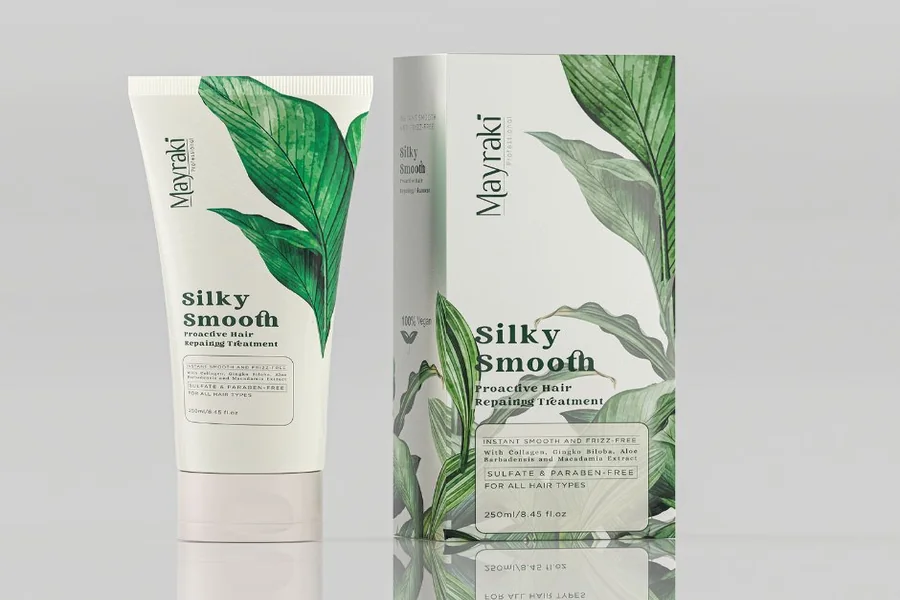
What often happens is that the loss of pigment can make the cuticle appear more translucent, which in turn can make the strand feel different. Additionally, natural changes in oil production with age can leave grey hair feeling drier. Proper hydration through conditioning treatments, such as Mayraki Silky Smooth Proactive Hair Repairing Treatment, and lightweight oils can restore softness and shine.
Myth 5: Diet Can Reverse Grey Hair
Vitamin deficiencies can impact hair growth and health, but once a hair follicle stops producing melanin, no amount of kale or supplements will turn it back on. A balanced diet rich in antioxidants, iron, zinc, and B vitamins can support hair strength and scalp health, but it won’t reverse greys that are already present.
That said, nutritional deficiencies can sometimes cause premature greying in younger people. In those cases, correcting the deficiency may prevent additional early greys, but the existing ones are unlikely to regain pigment. Nourishment is essential for healthy hair, but it’s not a miracle cure for silver strands.
Myth 6: Grey Hair Doesn’t Need Special Care
It’s easy to think grey hair is just another color, but in practice, it often requires more attentive care. Grey strands lack pigment, which makes them more prone to yellowing from sun exposure, heat styling, or environmental factors like pollution. They may also appear duller because of light reflection off the translucent cuticle.
This doesn’t mean you need an entirely new routine, but it does mean incorporating products tailored for silver. Purple shampoos and conditioners help neutralize brassy tones, while hydrating masks keep strands supple. Protective styling and minimizing heat can also help grey hair maintain its natural shine.
Myth 7: Coloring Grey Hair Is Harder
Grey hair can be resistant to dye because the cuticle layer is often thicker and less porous. This doesn’t make coloring impossible, but it does mean that extra steps may be necessary for full coverage, like using a pre-softening treatment or leaving dye on for a longer processing time.
On the other hand, grey hair also provides a blank canvas for creative coloring. Pastels, silvers, and bold hues can often appear more vibrant on grey strands than on darker bases. Whether you choose to embrace your natural shade or experiment with color, understanding your hair’s unique needs will help you achieve better results.
Myth 8: Grey Hair Is Damaged Hair
Grey hair is not inherently damaged, it’s simply hair without pigment. However, because it can feel drier and more fragile, it’s often mistaken for being unhealthy. Grey hair still grows from the scalp in the same way as pigmented hair, and its overall health depends on how you treat it.
Regular trims, gentle cleansing, and conditioning are just as important for silver strands as they are for any other color. Using silk pillowcases, reducing heat styling, and protecting hair from UV rays will keep it strong and shiny. Grey hair is not a sign of weakness; it’s a natural, beautiful stage in your hair’s life cycle.
What Really Works for Caring for Grey Hair
Now that we’ve debunked the most common myths, what does actually work when it comes to maintaining silver strands?
Hydration is key. Grey hair can appear frizzier because of reduced natural oil distribution from the scalp, so conditioners, leave-in sprays, and oils make a visible difference. Purple or blue toning products counteract unwanted brassiness. Scalp care is equally important, as a healthy scalp environment leads to stronger, shinier hair.
One option for those looking to restore pigment or slow the greying process is a targeted treatment. Mayraki Anti Grey Restoring Treatment, for example, is formulated to address the root causes of greying while nourishing hair and scalp. While no topical product can completely reverse genetics, treatments like this can support healthier growth and may help hair appear more youthful and vibrant.