

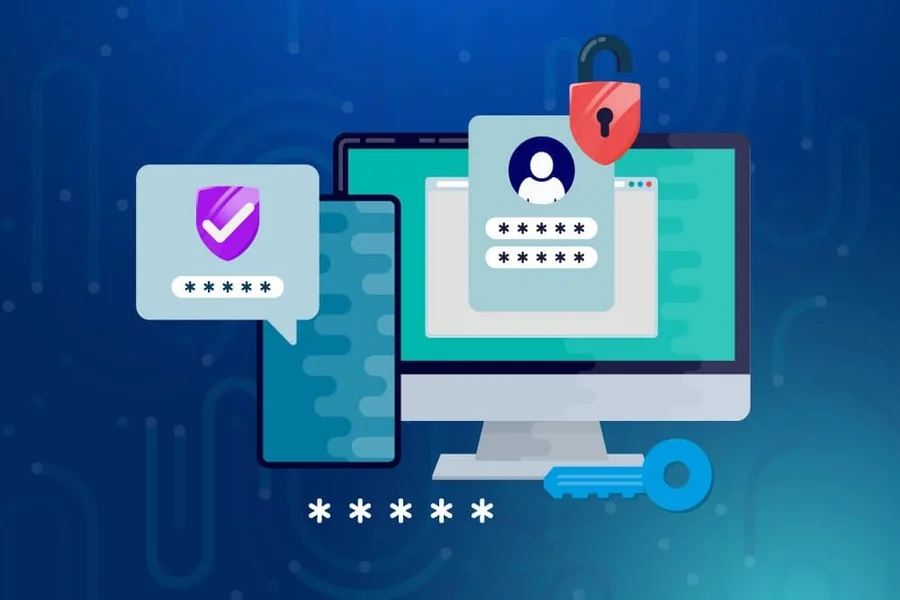
Building digital products today is not merely providing functionality and performance. People demand trust, and trust is derived from understanding that their information is secure. Features bring in users, but app security decides whether they remain. Development should be considered as an absolute process from the very first step. In America, where threats constantly change in the digital arena, developers need to be proactive in protecting applications and not simply reactive. app security is not an initial setup but a safe development culture from the very beginning.
- Know the Risk Environment Early: The most prevailing mistake that developers often make is thinking their app will not be a target. It may be an easy tool or a big financial service, but all apps present risk. Data breaches, code injection, and insecure APIs impact apps in industries. Knowing these threats early on during development allows teams to get the proper architecture and protocols in place. With the complexity of apps increasing and the number of integrations, having an early threat model gives a good idea of where the defenses need to be put. Getting to them after the product is created tends to result in patchwork rather than good foundations.
- Make Security Part of the Design Process: Security choices must be included in architectural discussions. As developers decouple functionality from protection, vulnerabilities arise. Each design choice—from user authentication through backend communication—must consider potential security risks. If practiced regularly, it ensures that each part of the application contributes to system safety overall. Threat modeling and design verification up front reduce the risks of crippling flaws being exposed during subsequent testing or production phases.
- Adopt Secure API Practices: APIs are typically the center of interaction between an application and external services. Without protection, the attackers will utilize them in an attempt to obtain unauthorized access. Restricting exposure, input validation, request authentication, and implementing rate-limiting policies are all things that are required. APIs must be built under the expectation that they will be attacked. Secure API design isn’t an afterthought, add-on measure—it’s a core layer of defense for applications that live on many devices and platforms today.
- Apply Least Privilege Access Everywhere: Users, internal apps, or third-party apps—whatever comes in contact with the app should have a minimum set of rights to carry out its purpose. This minimizes attack surface and gives limited damage if it gets hacked. Permissions and access rights should be reviewed from time to time to avoid stale roles or sleeping accounts becoming vulnerabilities. Doing this philosophy at the beginning leads to fewer backdoors and surprises along the road.
- Utilize Secure Deployment and Update Processes: How something is deployed is as important as how it is constructed. Secure deployment pipelines ensure changes are reviewed and approved before they are allowed into production. Code signing, build verification, and securely deploying updates minimize tampering or bad release risk. Updates need to be built in a way that it can efficiently patch vulnerabilities without requiring users to rebuild the app. Fast and secure delivery protects users and demonstrates a dedication to ongoing improvement.
- Watch After Release and React Quickly: Security does not stop at deployment. Monitoring, feedback loops through users, and vulnerability scans have to be done throughout the app’s whole life. Attackers don’t wait on anyone, and coders shouldn’t wait either. Through the establishment of effective monitoring systems, bugs can be caught and addressed before they are widespread issues. By watching closely all the time, even minor threats get detected and corrected quickly.
- Read More Open Source Dependencies: Most applications rely on third-party packages and libraries. They can accelerate development, but in return, bring in vulnerabilities if not managed. Such dependencies need to be scanned for vulnerabilities and updated regularly. The developers need to keep an eye out for patches, ideally from the default repositories, and search with automated scanners for outdated or vulnerable parts. Open-source code should be treated similar to locally developed in-house code to guarantee a secure app environment right from day one.
- Establish Continuous Security Testing as a Process: No single audit can assure the security of an application. Rather, security testing needs to turn into a regular process of the development cycle. Static application security testing, dynamic testing, as well as interactive testing discover weaknesses prior to production. Automating these tools into CI/CD pipelines informs developers ahead of time when their code adds risk. Ongoing testing allows teams to keep up with evolving security policies and attack techniques, which is specifically vital in an agile technology atmosphere.
- Lock Down the Development Environment: Security is not an app-level concern—teams must also lock down the environment where the app is built. Version control tools, encrypted team chat, and secure internal tool credentials keep it on the down-low before the deployment process even begins. Locking down internal tools and systems is as beneficial as locking down the final product. Safe development starts with clean environments, strict access controls, and monitoring for unauthorized access attempts or changes in real-time.
- Train the Team for Security Awareness: Technical tools won’t do much good if the team of people behind the scenes of the app has no concept of how to use them securely. Security fundamentals have to be trained on by developers, testers, and designers. Regular training sessions, threat modeling in real-world environments, and awareness programs make every team member do their bit of protection. App security isn’t somebody else’s responsibility. Instead, it is everybody’s responsibility across departments. Incorporating security culture in from the beginning makes it easier to maintain and add to it in the future.
Conclusion
From launch planning to monitoring after launch, security needs to inform every step in app development. It’s not risk reduction. It’s developing software products people can rely on. Through the use of these best practices, programmers can develop applications that can withstand threats and endure change. In America’s high-speed digital world, protecting users isn’t only an obligation. It’s a business imperative. Innovations like doverunner allow those protections to stay strong and up to date so that users and developers can get a good night’s sleep along the way.