

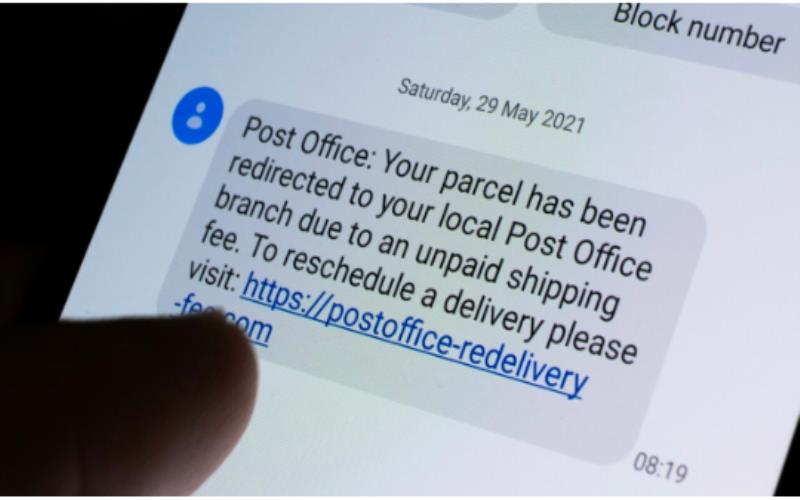
Legally, the status of spam text messages varies depending on the jurisdiction and specific circumstances. In general, sending unsolicited commercial text messages is illegal in many countries, especially when the recipient has not given explicit consent. Laws like the Telephone Consumer Protection Act in the United States set strict guidelines and penalties for unsolicited messaging, aiming to protect consumers’ privacy and peace of mind.
The impact of spam texts extends beyond mere annoyance. They can lead to privacy breaches, financial scams, and a general erosion of trust in digital communication. The rising trend of spam texts also poses challenges for legal systems and telecommunications regulators, as they strive to balance the interests of businesses, consumers, and technological advancements.
Spam Text Definition
A spam text is an unsolicited message sent over a messaging service, typically for commercial purposes. These messages are often sent in bulk and can be identified by their generic, impersonal nature. A key characteristic of spam texts is that the recipient has not expressed prior interest in receiving such messages from the sender.
Table of Contents
Common Characteristics
Spam texts usually exhibit certain common traits:
- Unsolicited Nature: They are sent without the recipient’s prior request or consent.
- Bulk Distribution: Maybe they are using annoying text subscriptions.
- Promotional Content: Often advertising products, services, or scams.
- Lack of Personalization: Generic and not tailored to the individual recipient.
- Request for Personal Information: May ask for sensitive information, leading to potential scams or fraud.
Overview of Laws Governing Spam Texts
The legality of spam texts is governed by various laws and regulations, which vary by country. These laws are designed to protect consumers from unsolicited commercial communications and safeguard their privacy. In many jurisdictions, the sending of spam texts without explicit consent from the recipient is considered illegal.
Different countries have their unique sets of laws and guidelines:
- United States: The Telephone Consumer Protection Act (TCPA) regulates unsolicited messages, requiring prior express written consent.
- European Union: The General Data Protection Regulation (GDPR) sets stringent rules on data privacy, impacting how businesses can send promotional messages.
- Canada: Canada’s Anti-Spam Legislation (CASL) mandates express consent for commercial electronic messages.
Penalties and Consequences
Legal Penalties for Sending Spam Texts
Violating spam text laws can result in significant penalties, including:
- Fines: Can be substantial, depending on the severity and frequency of the violation.
- Legal Action: Individuals or businesses may face lawsuits or other legal proceedings.
For businesses, the consequences of sending spam texts can be damaging:
- Reputational Damage: Loss of consumer trust and brand image.
- Legal Costs: Expenses related to defending against legal actions.
Tips for Businesses to Avoid Legal Issues
To avoid legal pitfalls associated with spam texts, businesses should:
- Understand and Comply with Local Laws: Familiarize with and adhere to the regulations in each operational region.
- Implement Robust Consent Mechanisms: Ensure clear, documented consent from recipients.
- Regularly Update Subscriber Lists: Remove individuals who opt out promptly.
- Train Staff: Educate employees about the legal and ethical aspects of text marketing.
How to Get Rid of Spam Texts
Technology plays a crucial role in combating spam texts. Several tools and technologies are available:
- Spam Filters: Software that identifies and blocks spam messages based on specific criteria.
- AI and Machine Learning: Algorithms that learn and adapt to new spamming techniques.
- Number Blocking: Features on mobile devices to block specific numbers or contacts.
Check this source to learn more about getting rid of annoying texts.
Frequently Asked Questions
Are All Unsolicited Texts Illegal?
Not all unsolicited texts are illegal. The legality largely depends on the nature of the message, the sender’s relationship with the recipient, and the recipient’s prior consent. Informational texts, such as appointment reminders from a service provider, are generally permissible without explicit consent.
How Can I Report Spam Texts?
To report spam texts, you can forward the message to a designated number provided by your mobile carrier or report it to governmental regulatory bodies like the Federal Communications Commission (FCC) in the United States. In some countries, there are specific online platforms for reporting spam.
How Do I Know If a Text Is Spam?
A text is likely spam if it is unsolicited, contains promotional content, asks for personal information, or directs you to a suspicious website. Legitimate organizations typically send messages with clear identification and opt-out options.
Conclusion
Ultimately, the fight against spam texts is ongoing, with legal, technological, and societal dimensions. It underscores the importance of staying informed and proactive in managing our digital lives, ensuring a balance between connectivity and privacy.