

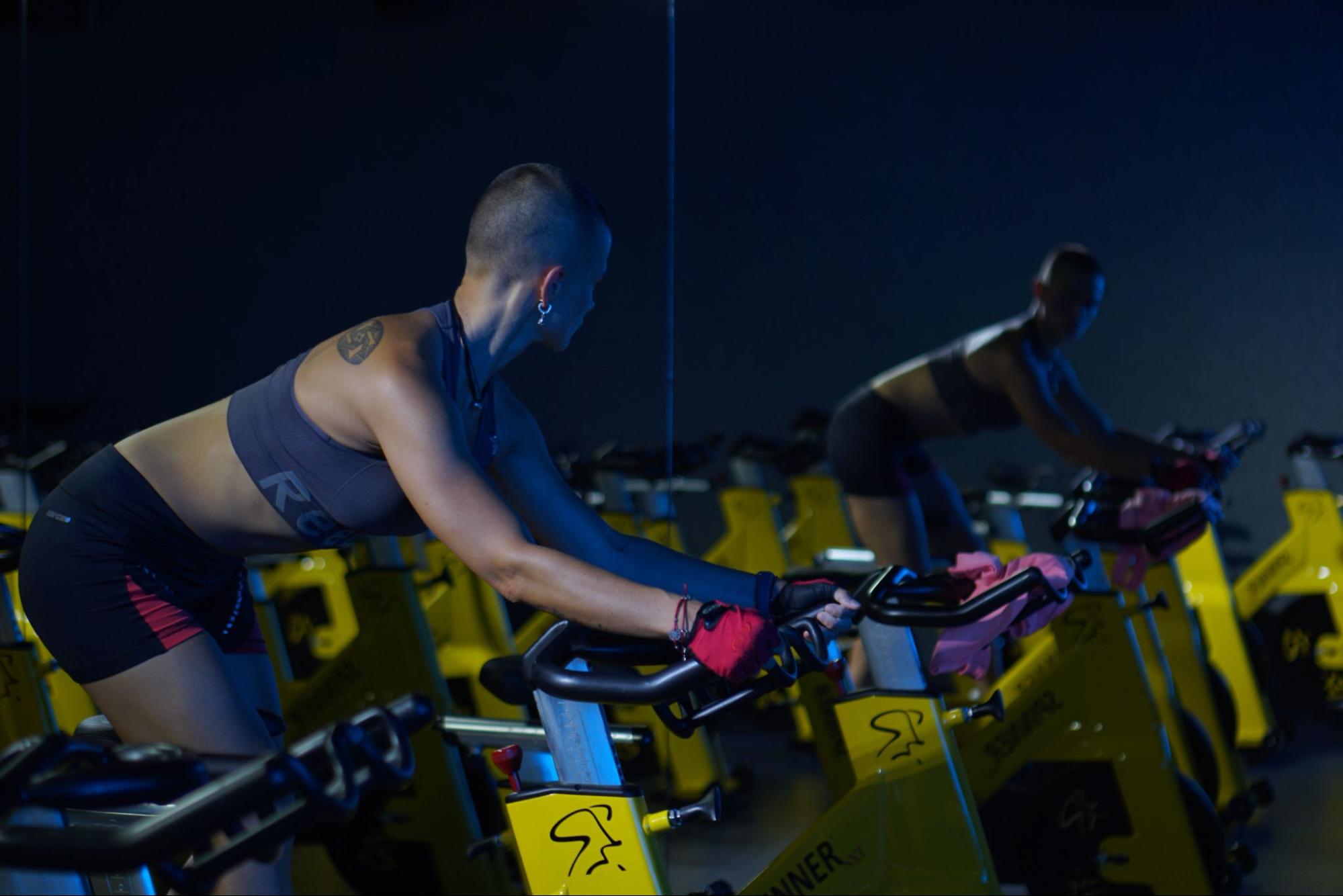
A Fitness Habit That Fits Modern Life
Finding an exercise routine that is both effective and realistic can be challenging. Busy schedules, changing weather conditions, and limited access to outdoor spaces often make it difficult to maintain consistent physical activity. This is one reason why indoor cycling has become increasingly popular among people of different ages and fitness levels.
Indoor cycling offers more than convenience. It provides a structured way to improve physical health, support emotional well-being, and build healthy habits that can last for years. Unlike fitness trends that come and go, cycling indoors adapts to individual needs and lifestyles, making it a practical choice for long-term wellness.
Supporting Heart Health Through Consistent Movement
The heart is one of the hardest-working muscles in the body, and regular exercise helps keep it functioning efficiently. Indoor cycling encourages steady cardiovascular activity that challenges the heart in a safe and controlled environment.
As individuals cycle regularly, the heart gradually becomes more efficient at pumping blood throughout the body. This improved efficiency supports circulation and contributes to overall cardiovascular wellness.
Because resistance levels and workout intensity can be adjusted, indoor cycling accommodates beginners while also offering challenges for more experienced participants.
Providing a Low-Impact Exercise Option
Many forms of exercise place considerable stress on joints, particularly the knees, hips, and ankles. For individuals recovering from certain injuries, managing age-related changes, or simply seeking gentler workouts, high-impact activities may not always be ideal.
Indoor cycling offers an alternative that minimizes impact while still delivering meaningful physical benefits. The smooth pedaling motion reduces strain on weight-bearing joints without eliminating the opportunity to strengthen muscles and improve endurance.
This accessibility allows many people to remain active even when other forms of exercise feel uncomfortable.
Strengthening More Than Just the Legs
Although indoor cycling is often associated with leg strength, the activity engages several areas of the body simultaneously. The muscles of the thighs, calves, and hips contribute to each pedal stroke, while the core helps maintain balance and posture throughout the workout.
Over time, this coordinated effort can improve muscular endurance and stability. A stronger lower body often supports everyday movements such as climbing stairs, lifting objects, and maintaining independence as people age.
The benefits extend well beyond the cycling session itself.
Encouraging Mental Clarity
Physical health and mental well-being are deeply connected. Exercise has long been associated with improvements in mood, stress management, and emotional resilience.
Indoor cycling provides dedicated time to step away from daily responsibilities and focus on movement. The rhythmic nature of pedaling can create a meditative effect that helps quiet mental distractions and reduce tension.
Many people finish a cycling session feeling refreshed, more focused, and better prepared to handle the demands of the day.
Helping Build Consistency
One of the greatest obstacles to maintaining an exercise routine is inconsistency. Outdoor conditions, travel schedules, and competing responsibilities often disrupt even the best intentions.
Indoor cycling removes many common barriers to exercise. Weather conditions become irrelevant, and workouts can often be completed within relatively short periods of time.
This convenience encourages regular participation. Since consistency plays a major role in achieving health goals, having an accessible form of exercise can significantly improve long-term success.
Supporting Weight Management Goals
Weight management involves many factors, including nutrition, sleep habits, and physical activity. Indoor cycling contributes by increasing energy expenditure while strengthening the body.
Because workouts can vary in duration and intensity, individuals can tailor sessions to match their fitness goals and abilities. The adaptability of indoor cycling allows it to complement a variety of wellness strategies.
Rather than focusing solely on appearance, indoor cycling supports broader health objectives related to energy levels, mobility, and overall vitality.
Promoting Better Sleep
Sleep quality affects nearly every aspect of health, from immune function and concentration to mood regulation and recovery.
Regular physical activity often contributes to healthier sleep patterns, and indoor cycling is no exception. Engaging in consistent exercise may help individuals fall asleep more easily and experience deeper, more restorative rest.
Improved sleep then supports other healthy behaviors, creating a positive cycle that benefits overall well-being.
Increasing Confidence Through Achievement
Exercise provides opportunities to celebrate progress in ways that extend beyond physical appearance. Completing a challenging workout, increasing resistance levels, or maintaining consistency over several weeks can foster a sense of accomplishment.
Indoor cycling allows individuals to track personal improvements over time. Whether the goal involves building endurance or simply establishing healthier habits, each achievement reinforces confidence.
This growing self-belief often carries over into other areas of life, encouraging individuals to approach challenges with greater determination.
Creating a Safe and Controlled Environment
Outdoor cycling offers its own advantages, but it may not feel comfortable or practical for everyone. Traffic concerns, uneven terrain, and unpredictable weather can discourage participation.
Indoor cycling provides a controlled setting where individuals can focus entirely on their workout without external distractions. The ability to adjust resistance and pace empowers participants to exercise according to their comfort levels.
This sense of control can make fitness feel more approachable and enjoyable.
Supporting Healthy Aging
Maintaining mobility and physical function becomes increasingly important throughout the aging process. Activities that encourage cardiovascular fitness, muscular endurance, and joint-friendly movement can help support independence over time.
Indoor cycling promotes many of these qualities while remaining adaptable to changing needs and abilities. Its accessibility makes it a valuable option for individuals seeking sustainable ways to prioritize health throughout different stages of life.
Staying active is not simply about extending lifespan; it is also about enhancing quality of life.
Final Thoughts
Indoor cycling is a great help for our health because it addresses multiple dimensions of well-being simultaneously. It supports cardiovascular fitness, strengthens muscles, encourages consistency, reduces stress, and promotes better sleep—all within a convenient and adaptable format. Perhaps most importantly, indoor cycling demonstrates that exercise does not need to be extreme to be effective. Through regular participation, individuals can build healthier routines that enhance both physical vitality and emotional resilience. In a world where time and energy often feel limited, indoor cycling offers a practical path toward feeling stronger, healthier, and more balanced every day.