

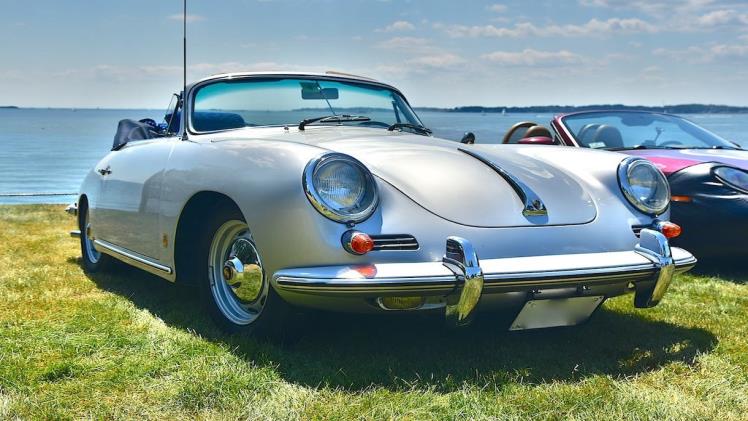
The resurgence of muscle cars has brought with them another golden age of high performance. These remarkable machines blend strength and style to enthrall car enthusiasts worldwide.
Muscle cars embodied the raw power and rumbling machismo of America’s booming youth culture in the ’60s. Their wild image and campiness spoke to the do-your-own-thing spirit of the era that brought us flower-power colors, op art, Beatle haircuts, and folk music.
Buying a Classic Muscle Car
Whether you’re a gearhead or just someone who loves cars, something about classic muscle cars just speaks to the heart. They evoke memories of summer nights, drag races, and wide-open American roads. No other kind of car captures the spirit of the auto industry — and America — like these iconic vehicles. But if you’re thinking about buying one, there are some things you should keep in mind.
First of all, you need to consider what size vehicle you want. Muscle cars come in a variety of sizes, from compact models such as the Camaro to full-size vehicles such as the Ford Mustang. It’s important to think about how much space you need and what type of driving you plan to do before choosing a model. If you’re doing a lot of highway driving, for example, you may want a larger vehicle with more cargo room.
Also, you should consider the cost of owning and operating a classic muscle car. These vehicles are typically more expensive than modern vehicles, and they may require more frequent maintenance and repairs. But if you’re prepared to put in the time and money, a classic muscle car can be a great investment.
Another thing to keep in mind is that classic muscle cars don’t always comply with current safety standards. They often don’t have seatbelts or crumple zones, which can be problematic if you have children in the car. Nevertheless, if you’re willing to accept these risks, you can still enjoy the thrill of a classic muscle car.
If you’re looking for a classic muscle car to buy, there are several places you can look. You can find listings in automotive magazines or online classifieds or visit auctions such as Barrett-Jackson or Mecum. You can also go to local car shows or swap meets to connect with other muscle car enthusiasts who might have one for sale. Just make sure to do your research before making any purchases, and don’t be afraid to ask questions.
Buying a Muscle Car from a Dealer
Classic muscle cars represent one of the most legendary eras in automotive history. Whether they’re on display at the car museum or in the movies, these high-performance vehicles have inspired many to dream of owning and driving one. If you want to purchase a classic muscle car, it’s important to research and work with knowledgeable experts. Online forums and car clubs focused on vintage vehicles can provide valuable insights from people who have previously owned and driven classic muscle cars.
During the 1960s and 1970s, American automakers stuffed overly powerful engines into small to midsize cars to transform them into rear-wheel drive performance machines. These “muscle” cars were designed with distinctive identities that made them stand out from their mass-produced counterparts. Their legacy lives on today, with modern vehicles like the Dodge Challenger SRT Hellcat and Shelby GT500 trying to capture some of their magic.
When shopping for a classic muscle car, it’s helpful to have an idea of what you want in mind before you start shopping around. You’ll need to consider factors such as rarity, historical significance, and performance capabilities. It’s also good to familiarize yourself with the different body styles and engine types available. For example, the Mustang, Camaro, and Dodge Charger are all iconic muscle cars, but each offers its own unique set of features.
Some muscle cars may be harder to find than others due to limited production numbers or unique design elements. This can increase the vintage car value and make them a desirable collectible. In addition, some classic muscle cars are more affordable than their contemporary counterparts.
Another reason for the allure of classic muscle cars is their superior performance. These high-performance vehicles can accelerate from 0 to 60 miles per hour in a matter of seconds thanks to their powerful engines and sleek body designs. Many classic muscle cars are also equipped with an array of safety features, such as antilock brakes and a full-size back seat to prevent accidents during high-speed maneuvers.
While muscle cars offer a unique driving experience, they’re not necessarily better than sports cars or other types of modern automobiles. It all depends on your needs and preferences. A muscle car may be perfect for you if you enjoy a more traditional look and feel comfortable driving on straight highways.
Buying a Muscle Car from a Private Seller
Classic muscle cars embody the spirit of the American automotive industry and the open road like no other vehicle. They’re an exciting way to experience the nostalgia of drag races, summer nights, and crazy fun. They’re also the cars that gearheads and motor enthusiasts are most passionate about.
Buying a classic muscle car can be expensive, but there are ways to make the process more affordable and ensure that you’re getting a quality car. One option is to buy a muscle car from a private seller. This can be done by searching online classified ad websites and social media marketplaces or by visiting local car shows and swap meets.
Another way to save money is to avoid paying dealer fees and commissions. This can be done by buying a classic muscle car from a private seller or a dealership that doesn’t charge a fee for their services. Private sellers can also offer better deals on classic muscle cars than larger dealers because they don’t have to pay as much for advertising and showroom space.
When shopping for a classic muscle car, it’s important to take the time to thoroughly inspect the vehicle before making a purchase. This includes checking under the hood and looking for any evidence of leaks or other problems. In addition, you should also check the VIN number to make sure it matches the car’s title. If it doesn’t, this could be a sign that the car has been stolen or used in an accident.
Muscle and sports cars are often grouped together, but they’re two very different types of vehicles. Muscle cars are traditionally bulkier and have more engine power than sports cars. They were designed with fewer emissions restrictions in mind than modern cars, which is why they’re still so popular today.
Choosing between muscle and sports cars depends on your driving preferences. If you prefer to drive on straight highways and want something that feels powerful and fast, a muscle car is the right choice for you. A sports car is a better fit if you’re more interested in precise handling on curvy roads and need something more fuel-efficient.
Buying a Muscle Car from an Auction
As you sift through the vehicles on offer at a classic muscle car auction, it’s important to remember that each comes with a unique set of quirks and nuances. This is why it’s important to do your research before heading to an auction and to go in with a clear strategy in mind. That way, you can increase your chances of securing the vehicle of your dreams at a fair and reasonable price.
As the name suggests, muscle cars are designed to satiate drivers’ cravings for speed and power. From the rugged stance of a Dodge Challenger R/T to the throaty roar of a Pontiac GTO, these powerful machines evoke a sense of freedom and rebellion. They are also a profound symbol of American culture and history, capturing the spirit of a generation.
Muscle cars are head-turners that demand attention, whether they’re used for racing or cruising. Their bold colors and aggressive stances make them stand out from the crowd, and they are often the subject of social media posts and selfies. Regardless of their purpose, muscle cars are an iconic part of automotive history that will never go out of style.
Classic muscle cars are also a thrill to drive. With their large V8 engines, rear-wheel drive, and agile handling, these vehicles were engineered to deliver an exhilarating driving experience. With no traction control or other electronic systems to distract drivers, muscle cars require skill and finesse to manage wheel spin and maintain grip. The resulting feeling of raw power and control is unparalleled and can’t be replicated in modern cars.
While many muscle cars were originally built for racing, they became popular among consumers looking for high-performance vehicles at affordable prices. By combining powerful engines with relatively basic-trimmed intermediate-sized bodies, manufacturers like Pontiac and Ford were able to market their muscle cars as direct competition against higher-end sports cars and sedans.
As a result, these cars have become a symbol of freedom and rebellious spirit and are still beloved by many today. When you slide behind the wheel of a classic muscle car, it’s like taking a step back in time and entering a world of excitement and adventure.