

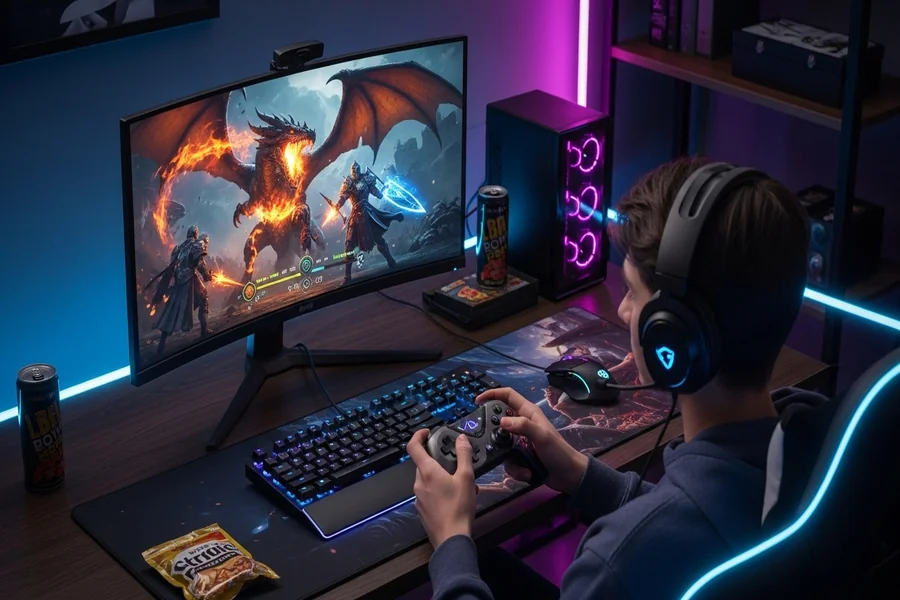
In just a few decades, online slot depo 1000 has transformed from a simple technological experiment into one of the most influential forms of entertainment in the world. What was once limited to small multiplayer matches over basic internet connections has grown into massive virtual ecosystems where millions of players connect, compete, and collaborate every day. Online gaming is no longer just about playing—it is about experiencing digital worlds that feel alive, dynamic, and constantly evolving.
Today, online gaming stands at the intersection of technology, creativity, and community. It has reshaped how people socialize, how businesses operate, and how entertainment is consumed. As innovation continues to accelerate, online gaming is redefining the boundaries of what interactive media can achieve.
The Shift from Solo Play to Global Connectivity
Traditional video games were largely solitary experiences. Players would progress through storylines alone, competing only against computer-controlled characters. The rise of the internet fundamentally changed this model. Instead of playing in isolation, gamers could now face real opponents from across the globe.
This shift introduced unpredictability and excitement. Human opponents think differently, adapt strategies, and create dynamic scenarios that artificial intelligence alone cannot fully replicate. Online multiplayer games brought new depth to gaming, turning every match into a unique experience shaped by real players.
Today’s online games are built with connectivity at their core. Developers design expansive worlds meant to be shared. Whether it’s cooperative missions, competitive battles, or social hubs, the emphasis is on interaction.
A Universe of Genres and Experiences
One of the strengths of online gaming lies in its diversity. There is no single type of online game; instead, there is an enormous range of experiences catering to different preferences and skill levels.
Some players enjoy high-speed competitive environments where precision and quick reflexes matter most. Others prefer strategic games that reward planning and coordination. Many gravitate toward role-playing games that allow them to build characters, explore vast landscapes, and participate in evolving storylines.
Mobile gaming has also expanded the accessibility of online experiences. With smartphones capable of handling sophisticated multiplayer games, millions of users can join online communities anytime and anywhere. This accessibility has helped online gaming reach audiences beyond traditional console and PC players.
The variety ensures that online gaming remains inclusive, offering something meaningful for every type of participant.
Building Communities in Virtual Worlds
Online gaming has become one of the most powerful tools for digital socialization. Players join teams, guilds, and clans where cooperation is essential for success. These groups often extend beyond the game itself, forming communities on forums, messaging apps, and streaming platforms.
Friendships formed in virtual environments can be surprisingly strong. Shared victories, challenging missions, and long gaming sessions create bonds built on teamwork and trust. In many cases, players develop communication skills and leadership qualities through coordinated gameplay.
For some individuals, online gaming communities provide a sense of belonging. They offer spaces where people with shared interests can interact freely, regardless of geographical distance. In an increasingly digital society, these virtual communities have become meaningful social spaces.
The Emergence of the Streaming Era
The rise of live streaming has added a new dimension to online gaming. Watching others play has become almost as popular as playing itself. Streaming platforms allow gamers to broadcast their gameplay in real time, interacting with viewers and building audiences.
This shift has turned gaming into a form of live entertainment. Streamers combine gameplay with commentary, humor, and personality, creating engaging experiences for viewers. Some have built substantial careers through content creation, sponsorships, and community support.
Streaming has also contributed to the rapid spread of gaming trends. Popular titles gain visibility quickly as influential creators introduce them to large audiences. This dynamic has strengthened the relationship between developers and gaming communities, making player feedback more immediate and impactful.
Economic Power and Digital Economies
Online gaming is not only culturally significant—it is economically powerful. The industry generates billions of dollars annually through diverse revenue models. Free-to-play games often rely on optional in-game purchases, while others offer subscriptions, expansions, or cosmetic upgrades.
In many games, virtual economies thrive. Players trade digital items, skins, or collectibles that hold real-world value. Limited-edition content and customization options create demand, fueling vibrant marketplaces.
Esports has further expanded the economic ecosystem. Professional tournaments feature significant prize pools, attracting sponsors, advertisers, and global audiences. Competitive gaming organizations operate similarly to traditional sports franchises, complete with structured training programs and media coverage.
The economic infrastructure surrounding online gaming continues to expand, creating opportunities in development, marketing, event management, and digital content production.
Innovation Through Technology
The rapid pace of technological innovation has been instrumental in online gaming’s success. High-speed internet ensures smooth multiplayer interactions, while powerful hardware enables detailed graphics and realistic physics.
Cloud computing is making it possible to stream high-quality games without expensive equipment. This technology reduces barriers to entry, allowing more people to participate regardless of hardware limitations.
Virtual reality introduces immersive experiences that place players directly inside digital worlds. Instead of viewing a game on a screen, users can explore environments in three dimensions, interacting naturally with their surroundings.
Artificial intelligence enhances gameplay by creating smarter non-player characters and improving matchmaking systems. This ensures balanced competition and more engaging challenges.
As technology continues to evolve, online gaming will likely become even more immersive and accessible.
Skills and Personal Development
Online gaming often requires more than simple button pressing. Many games demand strategic planning, quick decision-making, and effective communication. Team-based formats encourage collaboration and coordination, while competitive environments test focus and adaptability.
Players frequently develop skills such as:
- Analytical thinking
- Resource management
- Leadership and teamwork
- Rapid response under pressure
- Creative problem-solving
These abilities can extend beyond gaming contexts. The strategic and collaborative nature of many online games mirrors real-world challenges, making gaming an interactive training ground for certain cognitive skills.
However, maintaining balance remains essential. Healthy gaming habits ensure that entertainment enhances life rather than disrupts it.
Challenges Facing Online Gaming
As the industry grows, so do its responsibilities. Developers and communities must address challenges to ensure sustainable and inclusive environments.
Online security remains a priority. Protecting accounts and personal data is essential in a connected ecosystem. Game publishers invest heavily in cybersecurity measures to safeguard users.
Another ongoing challenge is fostering positive community behavior. Competitive settings can sometimes lead to negative interactions. Many platforms now use moderation systems, reporting features, and behavioral guidelines to promote respectful engagement.
Finally, responsible slot depo 5k practices are critical. Encouraging breaks, setting time limits, and maintaining a healthy balance between digital and offline activities help players enjoy games safely.
Cultural Influence and Mainstream Acceptance
Online gaming has moved firmly into mainstream culture. Major tournaments are broadcast globally, gaming references appear in films and music, and digital avatars influence fashion trends. What was once considered a niche hobby is now widely recognized as a dominant entertainment medium.
Educational institutions and organizations have also begun exploring the potential of gaming technologies. Simulations, interactive storytelling, and gamified learning environments demonstrate how online gaming mechanics can extend beyond entertainment.
This growing cultural acceptance reflects the maturity of the industry and its integration into daily life.
Looking Ahead: The Next Era of Online Gaming
The future of online gaming is likely to be defined by deeper immersion and broader connectivity. Concepts such as expansive virtual worlds, interconnected digital spaces, and advanced artificial intelligence hint at experiences that blend gaming with social networking and digital commerce.
As internet infrastructure improves globally, more regions will gain access to high-quality multiplayer experiences. This expansion will diversify gaming communities and introduce fresh creative perspectives.
The next generation of online gaming may not simply be about playing games—it may involve living within persistent digital environments that combine entertainment, social interaction, and creative expression.
Conclusion
Online gaming has evolved into a transformative force in modern entertainment. It connects millions of people across continents, drives technological innovation, and supports a thriving global economy. From competitive esports arenas to cooperative adventure worlds, online gaming offers dynamic experiences that continue to push creative boundaries.
As technology advances and communities grow stronger, the digital playground will only become more expansive and immersive. Online gaming is not merely a trend—it is a defining feature of the digital era, shaping how we interact, compete, and create in an increasingly connected world.