

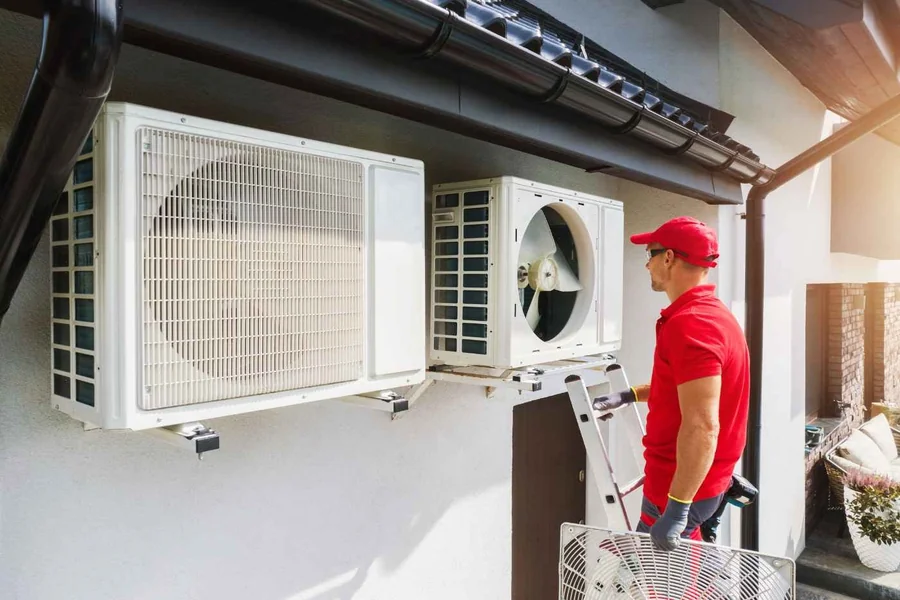
HVAC systems represent substantial home operating expenses through energy consumption that accounts for significant portions of monthly utility bills, with older, inefficient equipment wasting energy while delivering adequate but expensive heating and cooling that modern, efficient alternatives provide at substantially reduced operating costs. The upfront investment required for energy-efficient HVAC upgrades often creates hesitation among homeowners who view current systems as adequate despite inefficiency, failing to calculate how energy savings accumulate over equipment lifespans to recover upgrade costs while delivering ongoing financial benefits extending decades beyond payback periods.
Understanding how energy-efficient HVAC upgrades deliver lasting returns reveals why these investments prove financially sound beyond immediate comfort improvements, with reduced utility costs, enhanced home values, improved reliability, and environmental benefits collectively creating compelling justification for replacing aging inefficient systems rather than continuing to operate equipment that functions adequately but consumes excessive energy delivering basic climate control.
Substantial Utility Cost Reduction
Modern high-efficiency HVAC equipment consumes dramatically less energy than systems manufactured even a decade ago, with efficiency improvements through advanced compressor technology, variable-speed operation, superior heat exchangers, and optimized refrigerant management, reducing energy consumption while maintaining or improving comfort levels. These efficiency gains translate directly into lower monthly utility bills that accumulate substantial savings over the years of operation.
The utility savings prove most dramatic in extreme climates where heating or cooling systems operate extensively throughout seasonal peaks. Homes in hot climates running air conditioning continuously during summer months realize enormous savings from efficient equipment compared to older systems consuming excessive electricity to maintain indoor comfort.
Cold climate heating cost reductions from efficient furnaces or heat pumps similarly deliver substantial savings during extended heating seasons. Even moderate climates benefit meaningfully from efficiency improvements through reduced runtime, achieving identical comfort that inefficient equipment requires longer operation to provide.
Payback Periods and Long-Term Value
Energy-efficient HVAC upgrade costs typically recover through utility savings within reasonable payback periods, with exact timeframes depending on equipment costs, energy prices, climate severity, and usage patterns. After recovering initial investment through accumulated savings, continued reduced utility costs represent pure financial gain extending throughout equipment service lives that modern systems reliably deliver for extended periods.
High-quality, efficient HVAC equipment often lasts longer than budget alternatives through superior construction, better components, and reduced operating stress that efficient operation provides. This extended lifespan means upgrade investments deliver benefits for potentially decades, with accumulated savings far exceeding initial costs when calculating total financial impact across complete ownership periods.
The long-term value calculation should also consider avoided repair costs since newer equipment requires less maintenance than aging systems experiencing increasing failure rates as components wear beyond reliable service lives. To explore a comprehensive analysis of energy-efficient HVAC upgrade benefits, including detailed payback calculations, utility savings projections across different climate zones, equipment selection guidance, and financing options that make efficiency improvements accessible, continue reading more about how modern HVAC technology delivers measurable financial returns while enhancing comfort and reducing environmental impact through innovations that older equipment cannot match regardless of adequate basic function.
Enhanced Home Comfort and Consistent Performance
Energy-efficient HVAC systems deliver superior comfort through more consistent temperatures, better humidity control, quieter operation, and improved air quality that older, inefficient equipment cannot match. Variable-speed technology modulates output precisely, matching heating or cooling demand rather than cycling on and off repeatedly, creating temperature swings that fixed-speed systems produce.
This enhanced comfort proves difficult to quantify financially but adds real value through improved livability that homeowners appreciate daily throughout equipment service lives. The consistent, comfortable environment also supports better sleep quality, improved productivity, and overall well-being that pure financial calculations don’t capture but nonetheless represent genuine upgrade benefits.
Increased Property Values and Market Appeal
Home buyers increasingly value energy efficiency when evaluating properties, with efficient HVAC systems representing selling points that support asking prices and attract environmentally conscious buyers willing to pay premiums for homes with lower operating costs. Real estate professionals recognize that energy-efficient systems help homes sell faster and command better prices compared to properties requiring immediate HVAC investments or facing high utility costs that efficient equipment would eliminate.
The property value enhancement from efficient HVAC proves particularly significant in competitive markets where buyers compare similar homes, with energy efficiency creating differentiation that influences purchase decisions and negotiated prices.
Environmental Impact and Sustainability
Beyond financial returns, energy-efficient HVAC upgrades deliver environmental benefits through reduced energy consumption, lower greenhouse gas emissions, and decreased demand on electrical grids during peak periods. These sustainability advantages appeal to environmentally conscious homeowners who value reducing carbon footprints alongside financial savings.
Modern efficient systems also use environmentally preferable refrigerants with lower global warming potential than older refrigerants that equipment manufactured under previous standards employed, compounding environmental benefits through both reduced energy consumption and more sustainable refrigerant chemistry.
Incentives and Rebates
Many utilities, state programs, and federal tax credits offer financial incentives for energy-efficient HVAC upgrades that reduce net investment costs substantially. These programs recognize societal benefits from reduced energy demand and encourage efficiency investments through rebates, tax credits, and financing assistance that improve upgrade economics beyond simple energy savings calculations.
Energy-efficient HVAC upgrades deliver lasting returns through utility savings, enhanced comfort, increased property values, environmental benefits, and available incentives that collectively create compelling financial and practical justification for replacing aging inefficient systems with modern, high-efficiency alternatives.