

Commercial carpets take a beating every day. Spills happen, dust settles, and dirt builds up with every footstep. Yet most businesses treat carpet care as an afterthought until the damage is already done.
That approach is costly. Well-maintained commercial carpets can last 10 to 15 years. Neglected ones often need replacement in 3 to 5 years. Ignoring early warning signs like stiff, matted fibers, lingering odors, or visible staining accelerates that timeline significantly. Many business owners are also unaware that the wet carpet smell health risk is a serious concern, as moisture trapped deep in carpet fibers creates the perfect environment for mold, bacteria, and allergens that can silently degrade indoor air quality.
Here are ten practical tips most businesses overlook.
1. Vacuum High-Traffic Areas Every Day
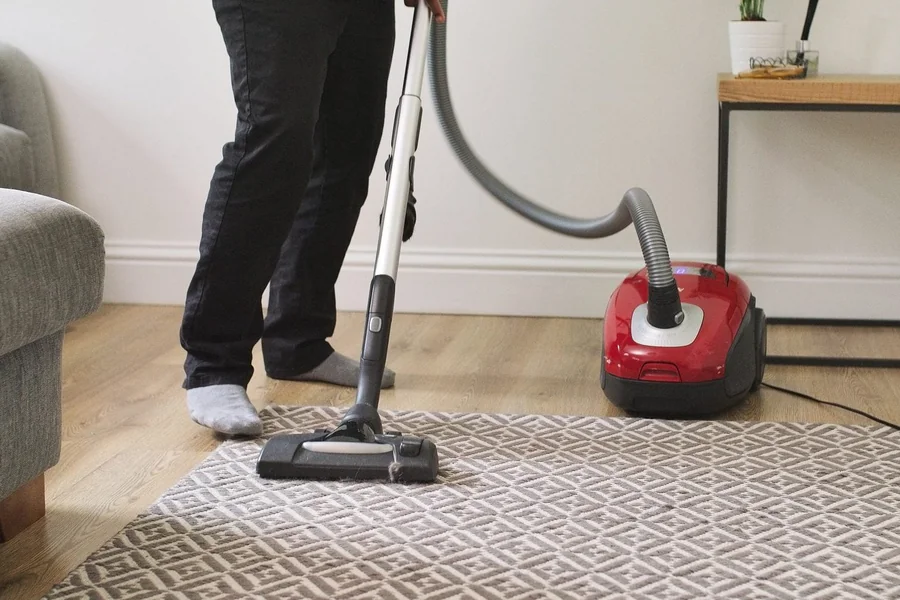
Most businesses vacuum once or twice a week. That is not enough for busy commercial spaces. Lobbies, hallways, and entryways collect far more dirt than private offices. Vacuuming daily removes loose soil before it gets pressed deep into carpet fibers where it acts like sandpaper and accelerates wear. Use a commercial vacuum with a HEPA filter to trap fine particles instead of recirculating them into the air.
2. Place Entrance Mats at Every Door
Quality entrance mats are one of the simplest carpet protection tools available. Properly placed walk-off mats can trap up to 80 percent of the dirt and moisture that would otherwise spread across your floors. Place mats both outside and inside each entry point and clean them regularly. A saturated mat stops working and becomes part of the problem.
3. Respond to Spills Immediately
Every minute a spill sits on carpet, it soaks deeper into the fibers and becomes harder to remove. Train staff to blot spills with a clean white cloth rather than rubbing, which spreads the stain and damages fibers. Use a neutral-pH cleaner suited for commercial carpet and blot until the stain lifts. Using the wrong product often leaves carpets stiff and rough. If that has happened, understanding what makes a carpet sound crunchy can help you identify the right fix before the damage worsens. Spills left untreated beyond 24 hours often become permanent.
4. Clean Based on Traffic Patterns
Not every area of your space needs the same attention. A private office sees far less wear than a conference room or reception area used by dozens of people daily. Identify your busiest zones and assign cleaning frequency based on actual foot traffic. High-traffic zones may need daily vacuuming and weekly spot cleaning while low-traffic areas can be maintained less often.
5. Schedule Professional Deep Cleaning Proactively
Regular vacuuming only cleans the surface. Dirt, allergens, and bacteria embed deep in carpet fibers over time and require professional extraction to remove. General cleaning intervals by business type:
- Standard offices: every 6 to 12 months
- Retail and hospitality spaces: every 3 to 6 months
- Medical facilities: every 2 to 3 months
- Lobbies and reception areas: monthly or quarterly
Waiting until carpets look dirty means damage has already begun. A proactive schedule is always more cost-effective than a reactive one.
6. Use Interim Encapsulation Cleaning Between Deep Cleans
Between professional deep cleans, interim encapsulation cleaning is a smart middle step. It uses a polymer solution that surrounds dirt particles, dries into a crystalline residue, and gets vacuumed away during routine cleaning. It is low moisture, quick-drying, and reduces how often full deep cleaning is needed.
7. Adjust Your Cleaning Schedule Seasonally
Wet and cold seasons dramatically increase tracked-in soil. Rain brings mud and moisture while winter brings ice melt residue that breaks down fibers and causes discoloration. During these months, increase cleaning frequency, add extra entrance mats, and clean those mats more often. Ignoring seasonal changes is one of the most common reasons carpets deteriorate faster than expected.
8. Rotate Furniture to Spread Wear Evenly
Heavy furniture left in the same spot for years compresses carpet fibers and creates permanent indentations. Foot traffic around desks and chairs also creates worn paths over time. Shift furniture slightly every few months to redistribute wear and use furniture cups under heavy pieces to reduce concentrated pressure on the carpet pile.
9. Keep Indoor Air Quality in Check
Carpets trap airborne dust, pollen, and bacteria, which actually helps keep the air cleaner. But once carpet fibers become saturated from lack of cleaning, those trapped particles get released back into the air with every footstep. HEPA-filtered vacuums, better ventilation, and regular professional cleaning prevent this. Clean carpets support cleaner air and healthier employees.
10. Train Your Team on Basic Carpet Care
Many carpet problems come from the wrong response to a spill, the wrong cleaning product, or a delay in reporting damage. Create a simple written protocol covering spill response, approved products, and who to contact for persistent stains. Post it where accidents are most likely. When staff know the right steps, small issues get handled before they cause lasting damage.
Why This All Matters
Dirty carpets affect more than appearances. They trap allergens that lower air quality and increase employee sick days. They shape the first impression clients form at your door. And neglecting them costs far more in early replacement than consistent upkeep ever would.
Frequently Asked Questions
How often should commercial carpets be professionally cleaned?
It depends on foot traffic and business type. Standard offices typically need cleaning every 6 to 12 months. High-traffic spaces like retail stores and hotel lobbies may need it every 3 to 6 months. Medical facilities often require cleaning every 2 to 3 months.
Does frequent vacuuming damage commercial carpet?
No. Regular vacuuming with a proper commercial vacuum protects carpet by removing abrasive particles before they work into the fibers. Use the correct height setting and keep the filter clean for best results.
What is the difference between carpet shampooing and hot water extraction?
Shampooing can leave behind a sticky residue that attracts more dirt. Hot water extraction injects hot water and cleaning solution deep into the fibers and removes it along with dissolved soil. Hot water extraction is the preferred method for commercial spaces.
How can you tell when carpet needs professional cleaning before it looks dirty?
A lingering odor that does not clear after vacuuming or visible traffic patterns that remain after routine cleaning are both signs. Carpets hold soil below the visible surface, so waiting until they look dirty usually means damage is already underway.
Why does commercial carpet get stiff or crunchy?
Stiffness is usually caused by soap or cleaning product residue left in the fibers, mineral buildup from hard water, or embedded dirt that has not been properly extracted. Professional hot water extraction typically resolves the issue.