

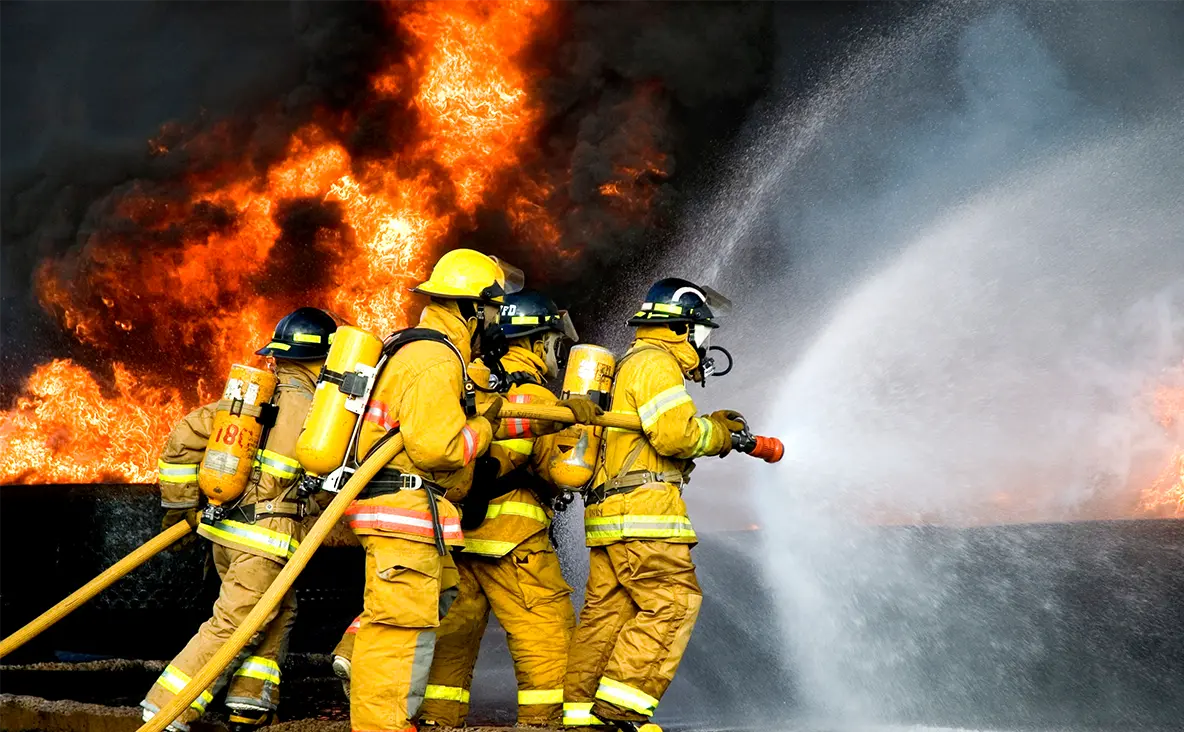
The ability to communicate securely with other firefighters, as well as other first responders as well and the other telephone switches is quite important during hazardous operations, and this is where communication equipment comes in. Firefighters rely on powerful radio to relay important safety information, which means the radio handheld and controlled during any operation is essential. Again, emergency and life-saving actions require specialized gear that gets all possible abuse but still doesn’t fail during emergencies.
Emergency strategies were totally transformed with the advancement of modern technology; the purpose and role of communications were never as important as they are today, and one of the critical equipment is the radio holster itself. As of today, firefighting and emergency medical forces benefit the instant support. What we see here is that the issue of radio holsters is the combination of three areas of discourse consideration, culture consideration, and gender consideration.
Protection in Extreme Environments
First responders often find themselves working in hostile environments that would have disintegrated the majority of the electronics. As a result, it becomes imperative for them to have gun radio holsters. In the course of corralling a fire, enormous distortive blossoms, haze, and debris are common. This collateral damage can potentially disable or even destroy any outstationed radios that are not kept in a complex case.
The practicability of emergency rescue work often involves forces colliding with the radio holster, leading to both radios and gear being wet or torn and tattered. Moving out of shells, digging out of ruins, and saving life-type of activity will definitely subject the orphans to the harshest of all stress, making sure that equipment issues are never more concerning than the severe googles to be put on.
Accessibility and Operational Efficiency
The positioning and accessibility provided by a well-designed radio holster become crucial when emergency responders wearing full protective equipment need to operate communication devices quickly and efficiently. Heavy gloves, breathing apparatus, and limited visibility conditions make fumbling with poorly secured radios dangerous and potentially deadly during critical operations.
Emergency situations demand immediate communication capabilities without the delays caused by struggling to access or operate communication equipment. A properly positioned radio holster ensures that radios remain within easy reach regardless of body position or operational requirements, enabling instant communication when urgent information must be transmitted or received.
The ergonomic design of professional radio holster equipment reduces physical fatigue during extended operations by distributing weight effectively and preventing equipment from interfering with movement or other essential gear. This comfort factor becomes particularly important during long-duration incidents where responders must maintain peak performance throughout extended operational periods.
Equipment Security and Accountability
Radio holster systems prevent equipment loss during dynamic emergency operations where traditional pockets or loose attachment methods might allow valuable communication devices to fall or become separated from personnel. The cost of lost communication equipment represents a significant financial burden for emergency services, but the operational impact of losing communication capabilities during critical incidents can be catastrophic.
Modern radio holster designs incorporate retention systems that secure equipment against accidental loss while still allowing rapid deployment when communication becomes necessary. These systems must balance security with accessibility, ensuring that radios remain attached during vigorous activity but can be quickly accessed when needed.
Conclusion
Radio holster equipment represents an essential component of emergency responder safety and operational effectiveness, providing protection, accessibility, and security for communication devices that serve as lifelines during critical operations where reliable communication can determine the difference between successful outcomes and tragic consequences.