

In both residential and industrial environments, access to flexible power sources is essential. Whether it is powering appliances at home, setting up office equipment, or running tools on a job site, extension leads play a crucial role in everyday electrical usage. While they may seem simple, choosing the right solution can significantly impact safety, efficiency, and long term reliability.
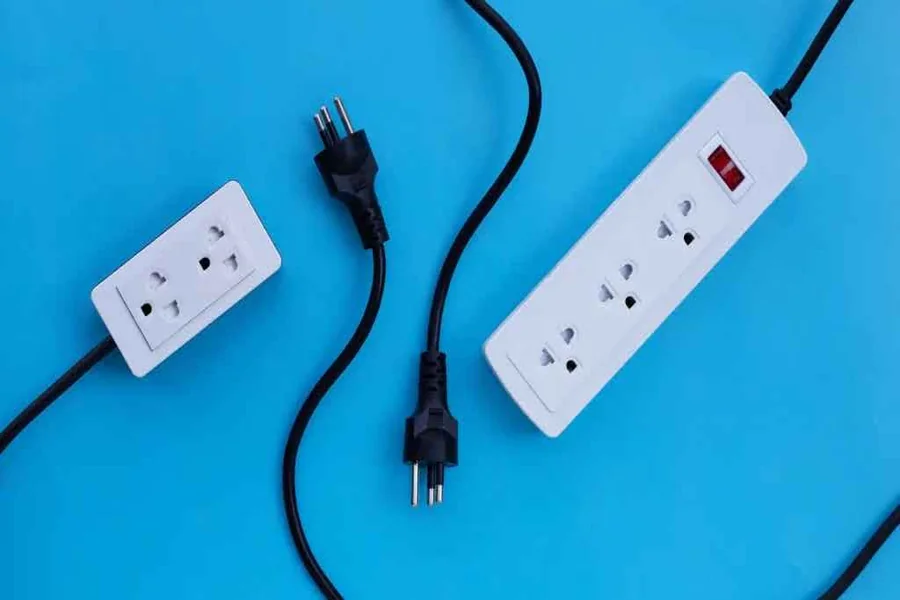
An extension lead, also commonly referred to as 延長線, is a cable that allows electrical devices to be connected to a power source from a distance. It typically includes a plug on one end and one or more sockets on the other, making it a convenient way to extend power where fixed outlets are not available.
Why Extension Leads Are Important
Modern environments rely heavily on electronic devices, and fixed power outlets are often not enough to support multiple connections. Extension leads provide flexibility by allowing users to power several devices at once or reach areas where outlets are not easily accessible.
In workplaces, they help organise power distribution across desks and equipment. In homes, they support entertainment systems, kitchen appliances, and charging setups. In industrial settings, they are essential for operating machinery and tools in dynamic workspaces.
Understanding Cable Reels
For situations that require longer distances or better cable management, cable reels are often preferred. These are extension leads wound around a drum, allowing users to extend and retract cables easily.
Cable reels are commonly used in workshops, construction sites, and outdoor environments. They help keep cables organised and reduce the risk of tangling or damage. Many modern designs are built with durable materials and safety features, making them suitable for heavy duty applications.
Key Factors to Consider
Choosing the right extension lead involves more than just picking any available option. Several factors should be considered to ensure safe and efficient usage.
Power Rating
Every extension lead has a maximum load capacity. Using devices that exceed this limit can cause overheating and increase the risk of electrical hazards.
Cable Length
The length should match your usage needs. Short cables may restrict movement, while excessively long cables can create clutter and reduce efficiency.
Number of Sockets
Depending on your setup, you may need multiple outlets. For example, office setups often require more sockets than simple home use.
Build Quality
High quality materials ensure durability and safety. Strong insulation and sturdy construction are especially important for frequent or heavy use.
Safety Features
Features such as overload protection, surge protection, and circuit breakers help prevent damage to devices and reduce risks.
Common Applications
Extension leads are used across various environments.
In homes, they are commonly used for powering televisions, computers, and household appliances. In offices, they support multiple workstations and devices, helping maintain an organised setup.
In industrial settings, cable reels are often used due to their ability to handle longer cables and higher power loads. These setups are designed to withstand demanding conditions and frequent movement.
Outdoor applications also require specialised extension leads that are more durable and resistant to environmental factors.
Mistakes to Avoid
Many users make simple mistakes that can lead to safety risks.
One common issue is overloading the extension lead by connecting too many high power devices. This can cause overheating and damage the cable.
Another mistake is using indoor extension leads for outdoor purposes, which may not be designed to handle moisture or harsh conditions.
Improper storage is also a concern. Tangled or damaged cables can reduce efficiency and increase the risk of electrical faults.
Maintenance and Safety Tips
To ensure long term performance, extension leads should be used and maintained properly.
Always check for visible damage before use. Avoid bending cables excessively or placing heavy objects on them. When using cable reels, it is advisable to unwind the cable fully when handling high loads to prevent overheating.
Keeping cables clean and dry is also important, especially in humid environments where moisture can affect performance.
Choosing Based on Your Needs
Different situations require different types of extension leads. For basic household use, a simple multi socket extension board may be sufficient. For more demanding tasks, such as powering tools or equipment, a heavy duty cable reel is a better option.
Understanding your usage requirements helps you choose a solution that provides both convenience and safety.
Conclusion
Extension leads are essential tools that make power access more flexible and convenient. However, choosing the right type is important to ensure safety and efficiency.
By considering factors such as power capacity, cable length, and build quality, users can make informed decisions that suit their needs. Whether for home, office, or industrial use, selecting the right extension lead can improve both performance and safety in everyday applications.